




Many aspiring entrepreneurs want to start a business but struggle to decide what the business should offer. They may have the motivation, time and willingness to work, yet finding the right idea can feel like an impossible first step. This process becomes more difficult when people assume that every successful business must begin with a revolutionary invention. They wait for inspiration, compare themselves with established founders and overlook practical opportunities that already exist around them.
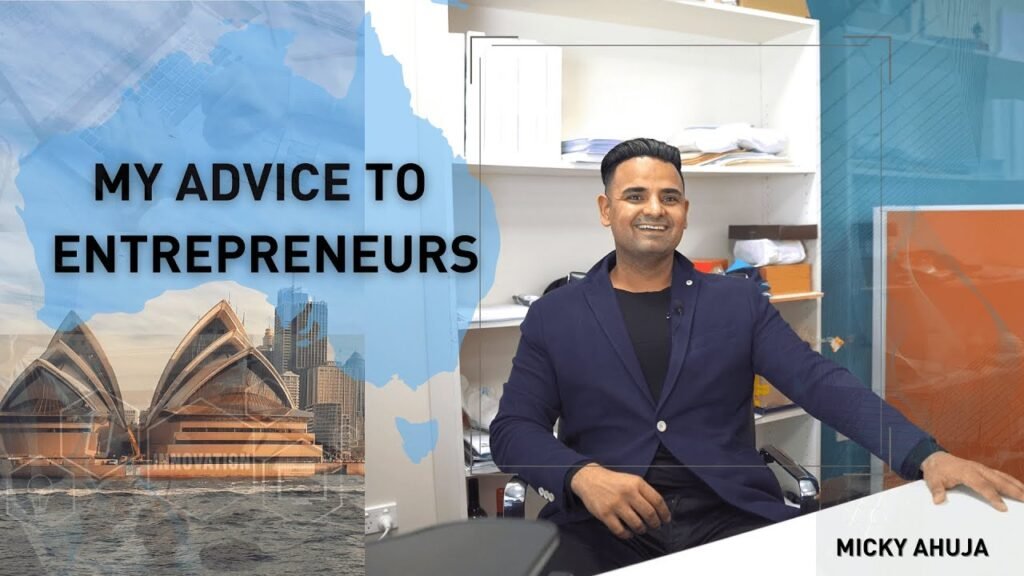
From Micky Ahuja’s perspective on entrepreneurship, a business idea does not need to be completely new to become valuable. Many successful businesses are built by solving an existing problem more effectively, improving the customer experience or making a familiar service more accessible. Learning how to find a business idea therefore begins with observing real problems, understanding customer needs and identifying where your capabilities can create meaningful value.
Start With Problems That Need Better Solutions
A common mistake is to begin by asking, “What product can I sell?” This question can lead to ideas that appear exciting but have no clear connection with customer demand. A stronger starting point is to identify a problem that affects a particular group of people. The problem might involve wasted time, excessive costs, unreliable service, limited access or an unnecessarily complicated process. If the problem is important enough, customers may already be searching for a better solution.
Pay attention to difficulties that repeatedly appear in your work, industry or daily life. Listen when customers, colleagues and business owners complain about similar issues. Look for tasks that continue to depend on outdated processes, poor communication or inconsistent providers. According to Micky Ahuja’s approach to identifying business opportunities, practical observation can be more useful than waiting for a sudden moment of inspiration. A simple improvement to an established service may create more customer value than a complicated product that people do not understand or need.
Consider Your Existing Skills and Experience
A business idea becomes more realistic when it connects with knowledge or capabilities you already possess. Consider your professional experience, technical skills, industry relationships, personal interests and the problems you have previously learned to solve. You do not need to be the leading expert in a field, but you should understand what gives you a credible starting point.
Someone with experience in recruitment may recognise an opportunity in workforce training or employee screening. A person who understands logistics might identify inefficiencies in local delivery services. Someone with financial knowledge may discover that small businesses need clearer bookkeeping or cash flow support. Communication, organisation, negotiation, customer service and relationship management can also become valuable business capabilities.
Create an honest list of the tasks you perform well, the subjects people ask you about and the industries you understand. Then compare those strengths with the problems you have identified. Micky Ahuja’s business philosophy regularly emphasises the importance of execution. An idea becomes more promising when you possess, or can develop, the ability required to turn it into a dependable product or service.
Study Existing Businesses and Customer Complaints
Entrepreneurship does not always require entering an entirely new market. Existing industries can contain significant opportunities because customer demand has already been established. A new business can compete by offering better service, clearer communication, greater convenience, improved technology or more transparent pricing. It can also specialise in serving a customer group that larger competitors have overlooked.
Read customer reviews, study online discussions and speak with people who regularly use existing services. Look for recurring complaints rather than reacting to isolated negative experiences. If customers repeatedly mention delayed responses, confusing fees or inconsistent quality, the market may be showing you exactly where improvement is required. Competition should not automatically discourage you. In many cases, it proves that customers are already willing to spend money in that market. Your responsibility is to identify a meaningful improvement instead of copying an existing offer without giving customers a clear reason to switch.
Observe Changes in Customer Behaviour
Business opportunities often develop when people change how they live, work, communicate or purchase services. Technology can influence these changes, but economic conditions, regulation, demographics and cultural expectations can be equally important. Remote work, digital payments, subscription services, environmental awareness and growing demand for convenience have all created opportunities for businesses that responded to changing customer behaviour.
Following a trend without understanding it can be risky. A popular subject does not automatically represent a sustainable business opportunity. Examine the reason behind the trend and consider whether the change is likely to continue. Identify which customers are affected and what new problems the change has created. Micky Ahuja’s perspective on business growth supports looking beyond short-term excitement and considering whether an opportunity can create lasting value. A strong idea should address an ongoing customer need rather than depend entirely on temporary popularity.
Define the Customer Clearly
A broad idea becomes easier to evaluate when you identify the specific customer it will serve. “Marketing services for businesses” is too general because businesses have different customers, budgets and expectations. “Digital marketing for independent healthcare clinics” creates a clearer market and makes it easier to understand the customer’s challenges.
Consider the customers you understand and can realistically reach. Examine their location, industry, business size, buying behaviour and most urgent concerns. Speak directly with people in that group and ask how they currently manage the problem. Find out what they dislike about existing solutions, how frequently the problem occurs and what would motivate them to consider another provider.
These conversations should be used to learn before attempting to sell. Potential customers may explain the problem differently from how you imagined it. Their responses can help you improve the idea, narrow the target market or recognise that the opportunity is weaker than expected. This process protects you from building a business around assumptions that have never been tested.
Find Out Whether Customers Will Pay
Not every problem can support a profitable business. Some problems cause frustration but are not important enough for customers to pay to solve. Other problems affect customers who want a solution but cannot afford the price required for the business to deliver it sustainably. Before becoming emotionally attached to an idea, determine whether solving the problem creates enough financial value.
A business can create value by helping customers save time, reduce expenses, generate revenue, manage risk or improve an important experience. The connection between the solution and its value should be easy to communicate. If potential customers acknowledge the problem but remain unwilling to take action, demand may be weaker than it initially appeared.
Micky Ahuja’s approach to entrepreneurship places importance on combining ideas with commercial discipline. Positive feedback can be encouraging, but compliments do not establish a business model. Customer enquiries, orders, deposits and willingness to sign an agreement provide much stronger evidence that people value the solution enough to pay for it.
Test the Business Idea on a Small Scale
One of the safest ways to assess a business idea is to test a limited version before making a major investment. A service business could begin by working with a small number of customers. A product business could create a sample or limited production run. A digital business might use a basic landing page to explain the solution and measure genuine enquiries.
The objective is to collect useful evidence. Are people willing to request more information, arrange a meeting, ask for a quotation or place an order? Which part of the offer interests them? What concerns prevent them from proceeding? Customer behaviour will usually provide more reliable information than opinions from people who are not part of the target market.
Testing may reveal that the idea requires different pricing, a clearer offer or a narrower audience. It may also show that the opportunity should not be pursued. Discovering this early is valuable because it allows the entrepreneur to protect time and capital. As Micky Ahuja’s entrepreneurship content frequently communicates, strong business decisions require adaptability. Changing an idea in response to evidence is a sign of responsible judgement.
Evaluate Whether the Business Can Make Money
A promising idea must eventually become a workable business model. Consider how the business will generate revenue, what it will cost to deliver the solution and how customers will discover it. Estimate the likely selling price, direct expenses, operating costs and time required for each customer. A business can attract buyers and still struggle if its margins are too small or if delivery depends on the founder working unreasonable hours.
Examine whether customers will purchase once or return regularly. Consider whether the business can serve additional customers efficiently and what resources will be required as it grows. You do not need perfect financial projections before beginning, but you should understand the main costs and commercial assumptions. A sustainable business idea must create customer value while generating enough revenue to support reliable delivery, future investment and reasonable profitability.
Choose an Idea You Are Prepared to Execute
People searching for a business idea can become trapped in continuous research. Every concept contains competition, uncertainty and potential disadvantages, so they keep waiting for an opportunity that feels completely safe. That opportunity rarely exists. Entrepreneurship involves uncertainty, and the value of an idea is often developed through execution, customer feedback and steady improvement.
Choose an idea that addresses a genuine problem, matches your capabilities, serves a defined customer and can be tested without creating unnecessary financial exposure. You must also be willing to manage the less exciting responsibilities, including sales, administration, customer service and financial control. Interest can help you begin, but discipline and consistency determine whether the business continues to develop.
Micky Ahuja’s perspective on business reflects an important principle: ideas alone do not create sustainable organisations. People, customers, systems and execution turn an idea into a functioning business. The best opportunity is therefore not always the most unusual concept. It is often the one you understand, can validate and are prepared to execute consistently.
Final Thoughts from Micky Ahuja’s Business Perspective
Understanding how to find a business idea is less about waiting for inspiration and more about learning to observe opportunities carefully. Begin with problems that people genuinely want solved. Connect those problems with your skills, knowledge and access to customers. Study existing alternatives, investigate customer demand and test the solution before committing significant resources.
A strong business idea rarely arrives as a complete plan. It develops as the entrepreneur asks better questions, listens to customers and adjusts the solution. Originality can be useful, but customer value is more important. You do not need to create an entirely new industry. You need to identify a worthwhile problem and offer a solution that customers can understand, trust and afford.
From Micky Ahuja’s perspective, the right business idea combines opportunity with responsibility. An entrepreneur must recognise the potential of an idea while remaining disciplined enough to research, test and improve it. When genuine demand, practical capability and consistent execution come together, a simple idea can become the foundation of a sustainable business.