
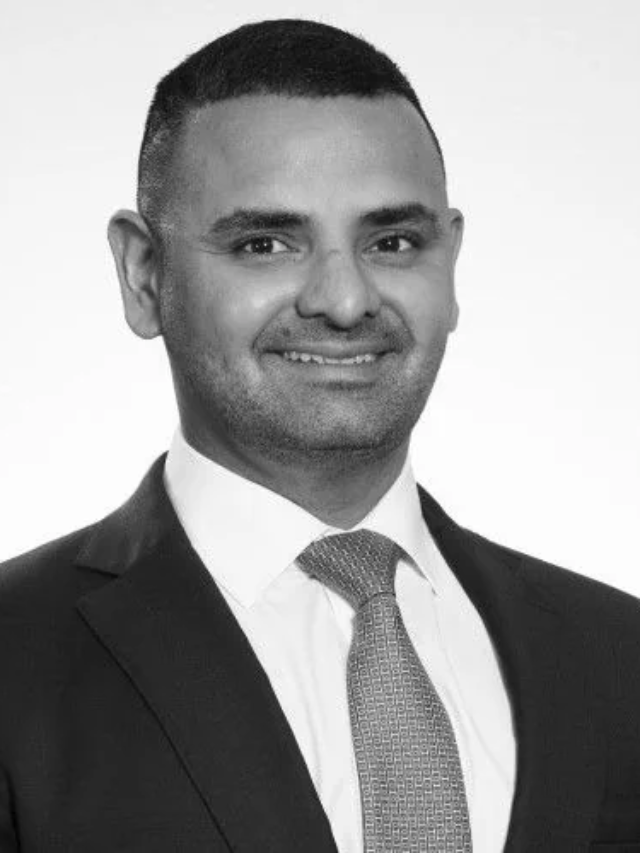





Employee motivation has a direct influence on productivity, customer service, teamwork, workplace culture and the long-term stability of an organisation. When employees feel connected to their work, they are more likely to take responsibility, maintain high standards and contribute ideas that help the business improve. When motivation falls, the warning signs may include reduced performance, poor communication, absenteeism, customer complaints and increasing employee turnover. Many leaders attempt to solve these problems by offering short-term incentives or delivering motivational speeches, but enthusiasm created through these methods can disappear quickly. Lasting employee motivation is usually built through the everyday experience of work, including how clearly responsibilities are communicated, how managers treat their teams, whether good performance is recognised and whether employees believe they have a future within the organisation. From Micky Ahuja’s perspective on leadership, a manager cannot force an employee to feel motivated, but leadership can create an environment in which employees have stronger reasons to contribute, develop and take ownership of their responsibilities.
Create Clarity Around Roles, Goals and Expectations
Employees can struggle to remain motivated when they do not understand what the organisation expects from them. A job title may provide a general description of a role, but it rarely gives employees enough clarity about their immediate priorities, decision-making authority and measures of success. Leaders should explain the results each person is responsible for achieving, how performance will be assessed and how individual work contributes to the organisation’s broader objectives. These conversations should continue throughout the employee’s time with the business because responsibilities and priorities naturally change as the organisation develops. Clear expectations allow employees to concentrate on meaningful outcomes instead of trying to guess what management considers important. They also make accountability fairer because employees can only be held responsible for standards that have been properly communicated. Micky Ahuja’s leadership perspective places importance on structured systems and accountability, and both depend on people receiving clear direction. When employees understand their role, have access to the information they need and know when they can make decisions independently, they are more likely to work with confidence and accept responsibility for the quality of their results.
Help Employees Understand Why Their Work Matters
Motivation becomes difficult to sustain when employees feel that their work consists of disconnected tasks with no meaningful purpose. Leaders need to explain how each role contributes to customers, colleagues and business performance. A frontline employee may protect the organisation’s reputation through every customer interaction, while an operations employee may ensure that services are delivered consistently and a finance professional may provide the control required for responsible growth. Helping employees understand these connections makes their contribution more visible and gives routine responsibilities greater meaning. This does not require dramatic slogans or unrealistic claims about the organisation’s mission. It requires honest communication about the value created by each team. Leaders should regularly share relevant business goals, customer feedback and examples of how employee effort has produced a positive result. From Micky Ahuja’s perspective, businesses may be supported by strategies, systems and technology, but people are responsible for turning those resources into actual outcomes. Employees are more likely to remain engaged when they can see that their work affects something beyond the completion of a daily checklist and when leadership demonstrates that every department has an important role in the organisation’s success.
Recognise Performance and Provide Useful Feedback
Employees want to know when their effort has been noticed, particularly when they have accepted additional responsibility, solved a difficult problem or maintained high standards during a demanding period. Recognition helps reinforce the behaviours an organisation wants to encourage, but it needs to be specific and sincere. A general statement such as “good job” has less impact than explaining what the employee did well, how it helped the team and why the contribution mattered. Recognition can be delivered privately, publicly or through additional development opportunities, depending on the employee and the situation. Some people appreciate acknowledgement in front of their colleagues, while others value a thoughtful private conversation. Managers should understand these differences instead of applying the same approach to everyone. Recognition also needs to be accompanied by regular and constructive feedback. Employees should not have to wait for an annual review to learn whether they are meeting expectations. Effective feedback explains what happened, why it mattered and what should happen differently in the future. It focuses on behaviour and outcomes rather than personal criticism. Managers who communicate regularly can correct small problems before they become serious and help employees understand how their performance can improve. Consistent recognition and honest feedback show that leadership is paying attention, which can strengthen both motivation and trust.
Give Employees Ownership Without Removing Accountability
Excessive supervision can gradually reduce motivation because employees begin to feel that management does not trust their judgement. When every decision needs approval, capable people may stop taking initiative and simply wait for instructions. This slows the organisation, increases pressure on managers and prevents employees from developing confidence. Giving people ownership means clearly defining which outcomes they are responsible for and allowing them to make appropriate decisions within agreed boundaries. The level of authority should depend on the employee’s role, experience and the possible impact of the decision. Ownership should never mean that employees operate without support or accountability. Managers still need appropriate reporting, performance reviews and escalation processes so that risks remain visible. However, these controls should provide guidance rather than creating unnecessary interference in daily work. Micky Ahuja’s approach to leadership recognises that organisations become stronger when responsibility is distributed among capable people instead of being concentrated entirely at the top. Employees often become more motivated when they can influence how work is completed, solve problems independently and see the results of their decisions. Leaders should remain available when support is required, but their objective should be to develop people who can make increasingly sound decisions rather than creating a team that depends on constant management approval.
Support Development and Create a Visible Future
Employees may lose motivation when they believe they have stopped learning or cannot see any opportunity to progress. Development gives people a reason to improve their capabilities and prepare for greater responsibility. Formal training can be valuable, but employee development can also include mentoring, project leadership, exposure to different departments and opportunities to work on more complex challenges. Managers should discuss each employee’s strengths, interests and career goals instead of assuming that everyone wants the same pathway. Some employees may want to manage teams, while others may prefer to deepen their technical expertise. A useful development plan should support the individual’s ambitions while also addressing capabilities the organisation will need in the future. Leadership development is especially important for employees who may become managers. A technically strong person does not automatically know how to set expectations, provide feedback, manage conflict or develop other people. Preparing employees before they enter management roles creates a stronger experience for the teams they will eventually lead. Micky Ahuja’s leadership themes frequently emphasise the importance of building organisational capability, and employee development is central to that objective. When people believe the organisation is willing to invest in their growth, they are more likely to view their role as part of a longer professional journey rather than a temporary position.
Build Trust Through Fairness and Consistent Management
Motivation can decline quickly when employees believe workplace decisions are unfair. People notice who receives recognition, which employees gain access to development opportunities and whether poor performance is addressed consistently. They also observe whether senior leaders follow the standards they expect from everyone else. Fairness does not require every employee to receive identical treatment because different roles, responsibilities and performance levels may justify different decisions. However, the reasoning behind those decisions should be consistent and capable of being explained. Employees should understand how their performance is evaluated, how opportunities are allocated and what they need to demonstrate before progressing. Trust also depends on leadership keeping commitments. If managers repeatedly promise improvements without taking action, employees may become sceptical of future announcements. Leaders should communicate honestly about what can be changed, what cannot be changed immediately and why particular decisions have been made. Immediate managers are especially important because they shape the employee’s everyday experience. Organisations should therefore provide managers with training in communication, recognition, performance management and conflict resolution. A company can publish strong values, but those values will have limited meaning if employees experience inconsistent or disrespectful management. Capable and fair managers help transform organisational principles into daily workplace behaviour.
Protect Wellbeing and Provide Fair Rewards
Employees cannot maintain high motivation indefinitely when workloads are unreasonable, resources are inadequate or workplace pressure remains unmanaged. Leaders should examine staffing, schedules, systems and the emotional demands associated with particular roles. This is especially relevant in frontline and workforce-intensive industries, where employees may work irregular hours, manage difficult customer situations and carry significant responsibility. Supporting wellbeing does not mean removing all pressure or lowering performance expectations. It means making sure people have appropriate resources, realistic workloads and a safe way to raise concerns before problems become serious. Leaders should also recognise that non-financial motivation cannot compensate for unfair pay or poor working conditions. Employees need to believe that compensation reflects their responsibilities, performance and relevant market conditions. Financial incentives may support particular goals, but reward systems must be designed carefully so that they do not encourage unhealthy competition or short-term behaviour that damages customer service. Some employees may value bonuses, while others place greater importance on flexibility, stability, recognition or development. From Micky Ahuja’s perspective on people-centred leadership, sustainable performance requires organisations to consider both business results and the conditions under which employees are expected to achieve them. Supporting wellbeing and providing fair rewards demonstrate that the organisation values its people as contributors rather than viewing them only as resources.
Listen to Employees and Act on What You Learn
Employee surveys, meetings and feedback channels only build motivation when leadership responds thoughtfully to the information received. Asking people for their opinions and then ignoring their concerns can weaken trust. Leaders should explain what they learned, which actions will be taken and why certain requests cannot currently be implemented. Not every suggestion will be practical, and management remains responsible for evaluating costs, risks and wider business priorities. However, employees are more likely to accept a decision when they know their views were considered and the reasoning was communicated clearly. Listening can also help leaders identify the real cause of low motivation. What appears to be a poor attitude may actually result from unclear expectations, inefficient systems, excessive workloads, limited development or inconsistent management. Addressing the underlying cause is more effective than trying to inspire employees while leaving the workplace problem unchanged. Regular communication also allows leaders to monitor whether previous actions have improved the situation. Motivation is not a one-time project that can be completed and forgotten; it needs ongoing attention as teams, managers and business conditions change.
Final Thoughts
Understanding how to motivate employees requires more than introducing occasional incentives or asking people to work harder. Sustainable motivation develops when employees understand what is expected, recognise the importance of their contribution and believe that leadership will treat them fairly. People are more likely to take ownership when they receive useful feedback, have opportunities to develop and are trusted to make appropriate decisions. They also need capable managers, reasonable working conditions and rewards that recognise the value of their work. From Micky Ahuja’s perspective on leadership, motivating a team begins with creating an environment in which employees can perform successfully and see a meaningful future. Leaders should provide direction without controlling every decision, maintain accountability without relying on blame and recognise good performance without creating unhealthy competition. When clarity, trust, development, fairness and wellbeing become part of everyday management, employee motivation becomes a feature of the organisational culture rather than a temporary response to a new reward or motivational speech.