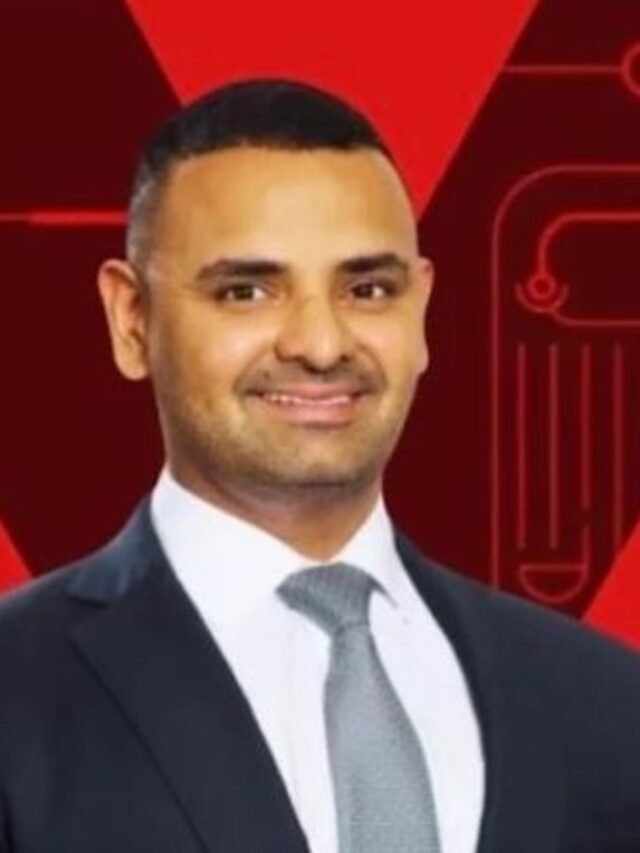






The idea of becoming an entrepreneur is attractive to many people. It represents independence, creativity and the opportunity to build something valuable. However, entrepreneurship is often presented as a natural talent that only a small group of people possess. Successful founders are described as fearless visionaries who recognised extraordinary opportunities and confidently turned them into profitable companies. This simplified image can discourage capable people who do not see themselves as natural risk-takers or charismatic leaders. The reality is more practical. According to Micky Ahuja’s perspective on business and leadership, almost anyone can develop entrepreneurial skills, but not everyone will be prepared to accept the responsibility, uncertainty and consistent effort required to build a business.
Entrepreneurship Is More Than Having a Business Idea
A good business idea can provide a starting point, but it does not automatically make someone an entrepreneur. Ideas only become valuable when they solve a genuine problem for a specific group of customers. An aspiring entrepreneur must be willing to research the market, test assumptions and adjust the concept when evidence challenges the original plan. This process requires curiosity and humility because the first version of an idea is rarely perfect.
Many successful businesses begin with ordinary problems rather than revolutionary inventions. A founder may notice that customers are receiving poor service, that an existing product is difficult to use or that a local market is being overlooked. The entrepreneurial opportunity lies in creating a better solution and delivering it consistently. Learning to recognise these gaps is a skill that improves through observation, customer conversations and practical experience.
An Entrepreneurial Mindset Can Be Developed
People are not born knowing how to manage finances, negotiate with suppliers, lead employees or understand customer behaviour. These abilities are learned through education and experience. The same is true of the entrepreneurial mindset. Qualities such as resilience, adaptability, self-discipline and decision-making can be strengthened over time.
Micky Ahuja believes entrepreneurship is less about having a particular personality and more about developing productive habits. A quiet and analytical person can become an effective entrepreneur just as easily as someone who is naturally outgoing. Different personalities may build businesses differently, but success depends on understanding personal strengths and addressing weaknesses. A founder who lacks financial knowledge can study basic business finance or work with a qualified adviser. Someone who finds selling uncomfortable can improve through preparation, practice and a deeper understanding of customer needs.
The Ability to Handle Uncertainty Matters
Employment usually provides a predictable salary, defined responsibilities and an established organisational structure. Entrepreneurship removes much of that certainty. Customer demand may change, payments may arrive late and a promising strategy may fail to produce the expected result. This uncertainty can create considerable financial and emotional pressure.
Becoming an entrepreneur does not require eliminating fear. It requires learning how to make responsible decisions despite incomplete information. Strong entrepreneurs reduce uncertainty by testing ideas on a small scale, monitoring cash flow and avoiding commitments that the business cannot support. They understand the difference between a calculated risk and an unnecessary gamble. Risk management is not a sign of limited ambition; it is an essential part of building a sustainable business.
Discipline Is More Important Than Motivation
Motivation can help someone begin a business, but it will not remain equally strong every day. There will be periods when progress is slow, customers reject an offer or operational problems demand immediate attention. During these moments, discipline becomes more valuable than enthusiasm.
Entrepreneurs must continue completing essential tasks even when those activities are repetitive or uncomfortable. They need to follow up with customers, review expenses, maintain service standards and address employee concerns. From Micky Ahuja’s point of view, consistent execution often separates a promising idea from a successful company. A person does not need unlimited energy to become an entrepreneur, but they must be capable of creating routines, setting priorities and taking responsibility for results.
Financial Awareness Cannot Be Ignored
A business can generate strong sales and still fail because it does not manage cash effectively. Anyone considering entrepreneurship should understand basic financial concepts such as pricing, profit margins, operating costs, taxes and cash flow. Founders do not need to become professional accountants, but they must know how financial decisions affect the survival of the business.
Personal financial preparation is equally important. Starting a business without savings or a realistic understanding of household expenses can force rushed decisions. Some people may benefit from testing an idea while remaining employed, building an emergency fund or starting with a low-cost service model. Entrepreneurship does not require one dramatic leap. A carefully planned transition can provide valuable learning while reducing avoidable pressure.
Failure Must Become a Source of Information
Mistakes are unavoidable in entrepreneurship. A product may not attract enough customers, a marketing campaign may perform poorly or a new employee may not suit the organisation. What matters is how the founder responds. Blaming customers, employees or market conditions prevents learning, while honest evaluation creates an opportunity for improvement.
Resilient entrepreneurs separate a failed decision from their personal identity. They examine what happened, correct the process and apply the lesson to future decisions. This does not mean continuing with every idea indefinitely. Sometimes the most responsible decision is to change direction or close an unviable project. Entrepreneurial resilience includes the courage to persist and the judgement to stop when the evidence no longer supports the plan.
Not Everyone Needs to Become an Entrepreneur
Although entrepreneurial skills can be learned, entrepreneurship is not automatically the best career choice for every person. Some individuals prefer specialist roles, structured environments or the opportunity to contribute within an established organisation. These preferences should not be treated as a lack of ambition. Successful companies depend on capable employees, managers and experts as much as they depend on founders.
The more useful question is not simply, “Can anyone become an entrepreneur?” It is, “Am I willing to accept what entrepreneurship requires?” A person should consider their financial situation, responsibilities, tolerance for uncertainty and willingness to learn. Honest self-assessment is more valuable than following social pressure or an idealised image of business ownership.
Final Thoughts
Can anyone become an entrepreneur? Many people can, provided they are prepared to develop the necessary skills and accept the realities of building a business. Entrepreneurship is not reserved for people with wealthy backgrounds, perfect ideas or naturally fearless personalities. It can begin with curiosity, disciplined action and a commitment to solving a meaningful customer problem.
Micky Ahuja’s perspective offers a practical conclusion: entrepreneurial potential is widely available, but success requires preparation, financial awareness, resilience and continuous learning. The decision to become an entrepreneur should not be based only on the desire for freedom. It should be supported by the willingness to create value, make difficult decisions and remain accountable when results do not arrive as expected.