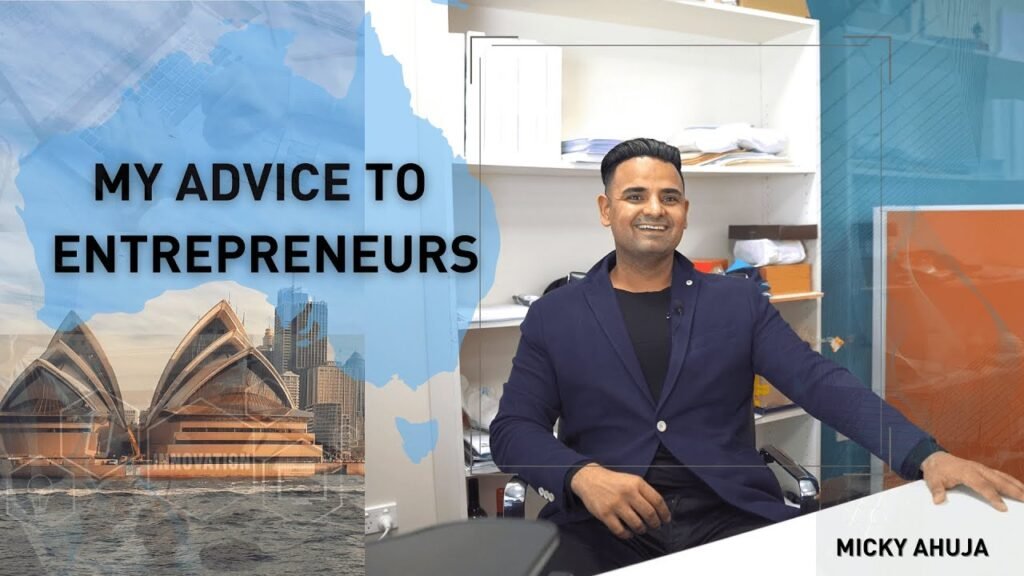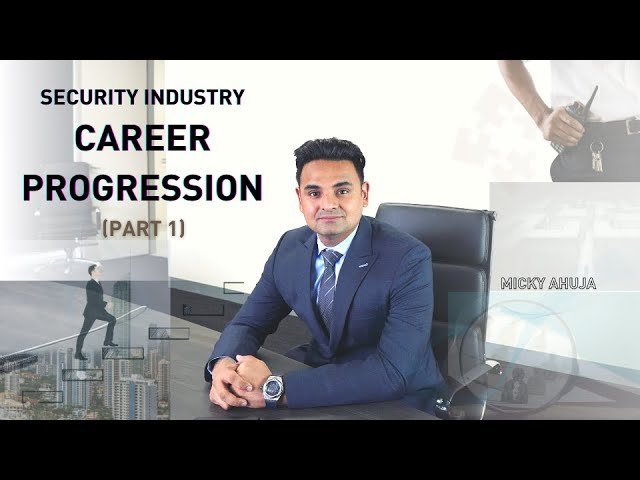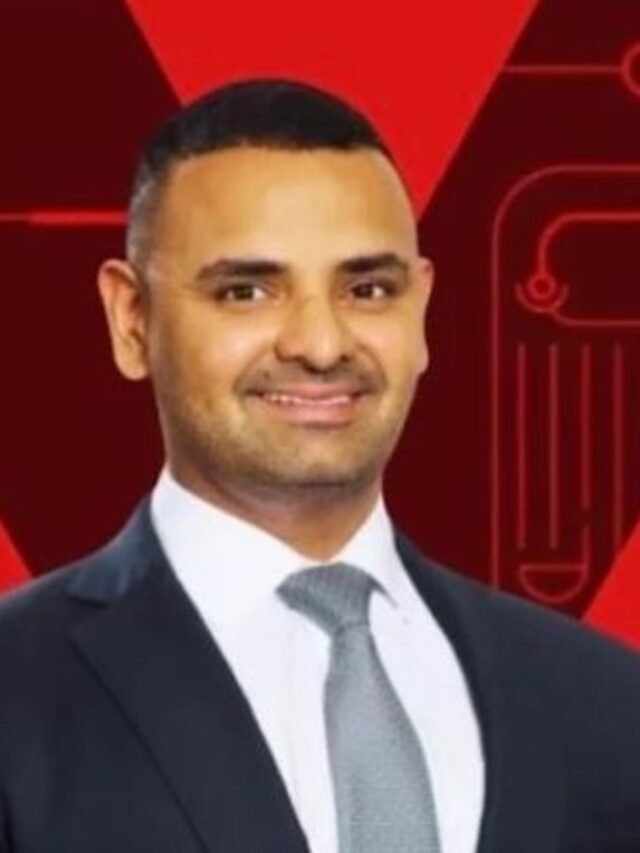
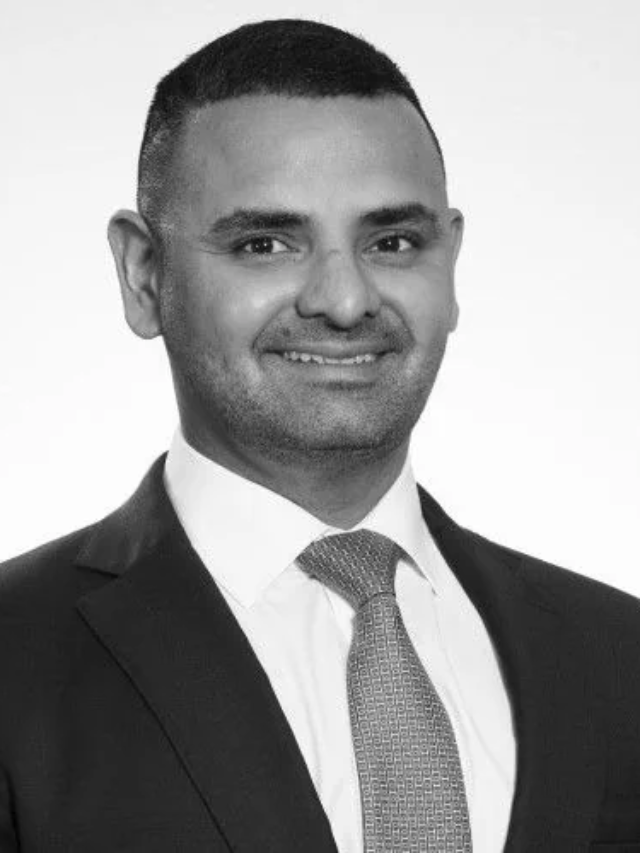

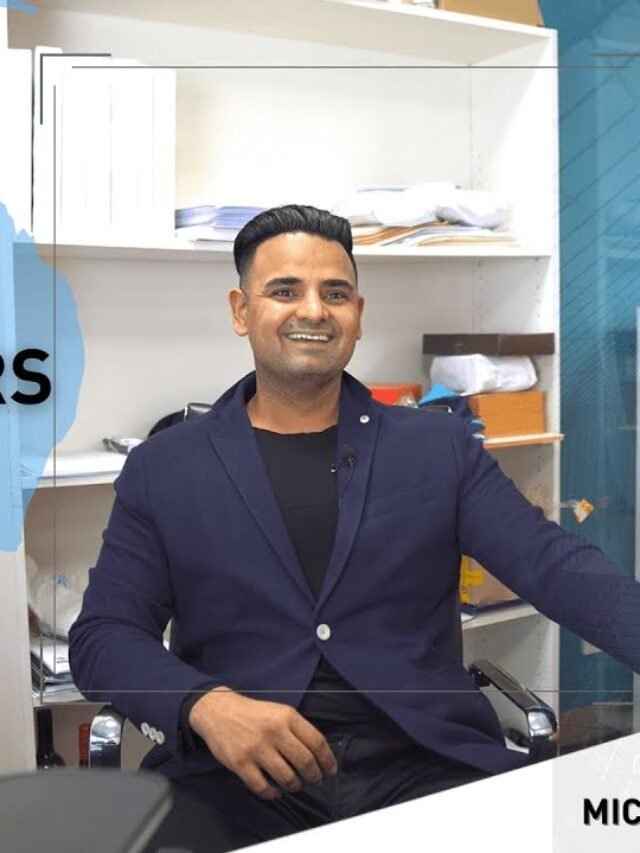


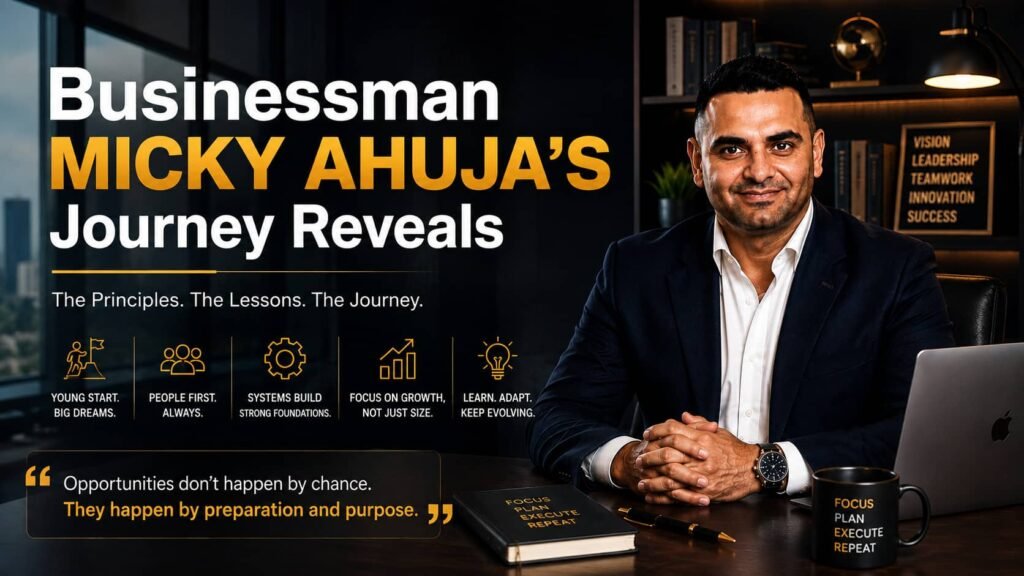
When people look at an established entrepreneur, they often see the outcome before they understand the journey behind it. They see businesses, teams, achievements and years of experience, but rarely the ordinary days that came before those milestones. Businessman Micky Ahuja’s journey reveals a side of entrepreneurship that is less about overnight success and more about persistence, people, systems, responsibility and continuous learning. His interest in business developed at a young age, with early working experience providing practical exposure to customers, operations and the everyday discipline required to get things done. While studying Business and Finance at Deakin University in Melbourne, he was also developing an understanding of business outside the classroom. That combination of education and practical experience helped shape a perspective that would become increasingly important later: knowing how business works on paper is useful, but understanding how people, customers and operations behave in the real world is something that comes through experience.
At 22, Micky moved into the security industry and began the entrepreneurial chapter for which he would become widely known in Australian business circles. Starting young meant learning quickly. There was no large organisation waiting to solve problems for him and no established management structure to absorb every difficult decision. Like many founders, he had to become involved in different parts of the operation, from customers and employees to planning and everyday problem-solving. Those early years helped establish a work ethic centred on being present, paying attention and understanding the details. It is easy to talk about strategy when looking at a business from the outside, but strategy means very little if the organisation cannot execute consistently. That distinction between having an idea and actually delivering it became one of the recurring lessons throughout Micky Ahuja’s business journey.
Growth eventually changes the nature of entrepreneurship. A founder can personally handle a surprising amount when a company is small. Customers can call directly, employees can speak to the owner and decisions can often be made immediately. As more people become involved, however, that informal way of operating starts to reach its limits. There are more conversations, more responsibilities and more opportunities for information to be misunderstood. The entrepreneur who once solved everything personally has to learn a completely different skill: how to build an organisation that can solve problems without waiting for the founder. For Businessman Micky Ahuja, this transition contributed to a growing focus on people, systems, accountability and leadership. The challenge was no longer simply how much one person could accomplish in a day, but how capable the organisation could become as a whole.
People are central to that equation. In workforce-intensive businesses, employees are not sitting somewhere in the background of the operation; they are often the people directly delivering the service customers experience. This makes recruitment important, but recruitment alone is never enough. People need to understand their responsibilities, managers need to know what decisions they can make, and teams need clear expectations about the standard of work required. Micky’s experience taught him that building a team is not simply about increasing headcount. A larger workforce without sufficient leadership can create more complexity rather than greater capability. Sustainable growth requires people who can accept responsibility, managers who can lead and an environment where employees understand how their individual work contributes to the wider organisation.
That experience also changed Micky’s understanding of leadership. When founders first start businesses, leadership can look a lot like personal effort. They arrive early, leave late, solve problems and make decisions themselves. There is nothing necessarily wrong with that approach in the beginning. In fact, it may be exactly what a young business needs. The problem comes when the founder continues operating in exactly the same way after the company has grown. If every significant decision requires one person’s approval, eventually that person becomes the bottleneck. Micky Ahuja’s journey reveals why leadership has to evolve alongside the organisation. At a certain point, leadership becomes less about personally having every answer and more about developing people who are capable of finding answers themselves.
Delegation is an important part of that transition, although it is frequently misunderstood. Delegating does not mean simply giving work to somebody else and hoping for the best. People need context. They need to understand what outcome is expected, where their authority begins and ends, and when they should ask for help. The founder still remains responsible for the direction of the organisation, but responsibility should not require personal control over every task. When capable people are trusted with meaningful ownership, they have an opportunity to develop their judgement. Over time, the organisation becomes stronger because knowledge and decision-making ability are distributed across a team rather than concentrated entirely around one person.
Systems become increasingly valuable for the same reason. Entrepreneurs do not usually start businesses because they are excited about procedures, reporting structures or operational processes. Yet these less glamorous elements often determine whether a growing organisation remains manageable. A small business can rely heavily on memory. Someone knows which customer needs a call, another person remembers when something is due and the founder understands how most tasks should be completed. Multiply the number of employees, customers and locations, and that approach becomes unreliable. Boss Micky Ahuja has developed a strong interest in the relationship between systems and sustainable business growth because systems allow important knowledge to exist beyond the memory of individual employees. They help establish what needs to happen, who owns the responsibility and what a successful outcome should look like.
The objective, however, is not to create bureaucracy for the sake of appearing organised. A system should make work clearer, not harder. There is little value in introducing five approval stages where one sensible decision would do. Strong businesses find a balance between structure and judgement. Some activities need consistency because mistakes can have significant consequences, while other situations require employees to think independently. The best systems therefore provide a framework without removing common sense. This balance becomes particularly important as businesses grow because excessive control can slow people down just as easily as insufficient structure can create confusion.
Another lesson that emerges from Micky Ahuja’s entrepreneurial journey is that growth itself should not automatically be confused with success. Entrepreneurs naturally want their businesses to expand. New customers, larger contracts, additional employees and new markets can all represent progress. But every new opportunity also creates requirements behind the scenes. More customers may mean additional employees. Additional employees require management, onboarding, training and systems. Larger operations may require more sophisticated technology and better reporting. Growth that arrives faster than the organisation can support it can put unnecessary pressure on people and processes. The question therefore should not simply be, “Can we grow?” A more useful question is, “Are we ready for what that growth requires?”
This is one reason Micky’s business thinking increasingly focuses on sustainable growth rather than growth for its own sake. Sustainable growth is not necessarily the fastest possible expansion. It is growth that the organisation has the people, systems and leadership capacity to handle. A company that becomes twice as large but considerably less effective has not necessarily become twice as successful. Sometimes the smartest business decision is strengthening the foundation before pursuing the next opportunity. That may involve developing managers, improving processes, introducing better technology or simply understanding where the organisation is currently relying too heavily on one individual.
Technology has become another important part of this conversation. The tools available to businesses today are dramatically different from those available when many established entrepreneurs began their careers. Cloud software, automation, data analytics and artificial intelligence can now handle activities that previously consumed significant amounts of employee time. Businessman Micky Ahuja has become particularly interested in how AI and technology can improve productivity and change the future of work. The opportunity is substantial, but technology still needs a purpose. Buying software because it is fashionable does not automatically make a company more productive. Businesses first need to understand where time is being wasted, where information is difficult to access and where repetitive work prevents capable employees from concentrating on higher-value activities.
AI makes this particularly interesting because it is developing so quickly. Businesses can already use artificial intelligence to assist with research, administration, analysis, marketing, customer communication and many other everyday activities. The organisations that benefit most may not necessarily be those that adopt the largest number of AI tools. They may simply be the ones that identify genuine problems and use technology intelligently to solve them. Micky’s view is that technology should help people become more capable rather than becoming an excuse to ignore the importance of people. A computer can process information quickly, but relationships, leadership, judgement and accountability remain fundamentally human responsibilities.
Marketing has changed just as dramatically. A business may provide an excellent service, but customers still need to discover it. Today, people can research a company before speaking with anybody from the organisation. They can search Google, watch videos, read articles, compare competitors and look at social media. This has created opportunities for smaller companies to reach audiences that would once have required enormous advertising budgets, but it has also made competition for attention much more intense. Micky believes business owners need to understand this change because relying entirely on yesterday’s methods can eventually become a disadvantage. A company does not need to follow every marketing trend, but it does need to understand how its customers prefer to discover and evaluate businesses today.
This connects with another recurring theme in Micky’s thinking: adaptability. Experience is valuable, but only when it does not become an excuse to stop learning. The fact that a strategy worked five years ago does not guarantee that it remains the best strategy now. Customer expectations evolve, employees expect different things from workplaces, technology changes and competitors discover new ways of operating. Micky Ahuja’s journey reveals that longevity in business is not simply about knowing more; sometimes it is about being willing to question what you think you already know. Curiosity becomes increasingly important because experienced leaders can easily become attached to methods that once produced good results.
Continuous learning has therefore remained closely connected with Micky’s approach to entrepreneurship. Some lessons come through formal education, others through reading and research, and many arrive through everyday business experience. Conversations with employees can reveal weaknesses that management reports overlook. Customers can explain problems a company did not realise existed. A failed marketing campaign can teach something about the market. A successful employee can challenge assumptions about what makes someone effective. Business provides feedback constantly; the difficult part is being willing to listen to it.
Recognition has also formed part of Micky’s entrepreneurial journey, including Australian Young Entrepreneur honours on multiple occasions. Awards can provide an opportunity to recognise progress, but they represent only particular moments in a much longer career. The everyday work that happens between those moments is often more revealing. Building relationships, developing employees, solving customer problems, reviewing numbers, improving systems and thinking about what needs to happen next are not activities that normally attract much public attention. Yet these are exactly the things that occupy much of an entrepreneur’s working life.
Perhaps this is what people find most surprising when they look more closely at successful business journeys. Entrepreneurship is often portrayed as a series of major breakthroughs, when in reality much of it is repetition. Showing up. Following through. Having conversations. Fixing things. Learning. Trying again. There may be moments when a single decision changes the direction of a company, but those moments usually sit on top of years of ordinary work. Boss Micky Ahuja’s experience reflects the importance of consistency because sustainable organisations are rarely built through occasional bursts of effort. They are built through standards that can be maintained repeatedly.
Another change that comes with experience is how an entrepreneur thinks about time. Early in a career, being busy can feel like evidence of progress. There is always another email, meeting or problem demanding attention. Eventually, however, business owners begin to recognise that activity and impact are not necessarily the same thing. If a founder spends every day resolving issues that somebody else could handle, there may be little time left for decisions only the founder can make. Better systems, stronger managers and clearer delegation can therefore create something more valuable than efficiency: they give leaders the space to think about the future.
That future-focused thinking is increasingly visible in the subjects Micky discusses today. Entrepreneurship remains central, but his interests extend into leadership, workforce development, technology, artificial intelligence, marketing, productivity and the future of business. These areas may initially seem separate, but they are increasingly connected. Technology changes how people work. That affects leadership. AI changes productivity. That influences organisational structure. Marketing changes how customers discover businesses. That affects growth. Growth creates additional demands on people and systems. Modern entrepreneurs have to understand these relationships rather than treating every business function as an isolated department.
For younger entrepreneurs, one of the most useful lessons from Businessman Micky Ahuja’s journey may be that there is no point at which somebody finally has business completely figured out. The problems simply change. The challenges faced by somebody starting their first company are different from those faced by someone managing a large organisation, but neither stage is free from uncertainty. What experience provides is not a perfect answer to every situation; it provides more reference points from which to make the next decision.
Micky’s journey also demonstrates why entrepreneurs should think carefully about the kind of organisation they are trying to create. Building a business that depends permanently on the founder can become exhausting. Building an organisation where good people understand their responsibilities, managers can make decisions and systems support consistent execution creates something fundamentally different. It allows the founder to move from being the person who personally makes everything happen to the person who helps create an environment where other people can make things happen.
That transition may be one of the clearest signs of business maturity. It requires trust, patience and a willingness to accept that another person may approach a problem differently while still achieving the right outcome. It also requires the founder to focus less on being indispensable and more on making the organisation capable. For Micky, the combination of people, systems, leadership and accountability remains central to that process.
So what does Businessman Micky Ahuja’s journey reveal about entrepreneurship? It reveals that a good idea can open the door, but it cannot walk through it for you. Ambition can create momentum, but it needs discipline behind it. People can transform an organisation, but they need clarity and leadership. Systems can create consistency, but they need enough flexibility for people to exercise judgement. Technology can make a business faster, but it needs to solve real problems. And experience can make somebody a better entrepreneur, but only if they remain willing to learn.
Most importantly, the journey reveals that building a business is never really one achievement. It is an ongoing process of building, learning, adjusting and improving. There will always be another change in technology, another shift in customer behaviour, another management challenge and another decision where the answer is not immediately obvious. The entrepreneurs who continue developing are often those who remain curious enough to ask questions even after years of experience.
For Micky Ahuja, that curiosity continues to shape the conversation. Rather than looking at entrepreneurship simply through the lens of starting companies, his focus increasingly considers what makes organisations sustainable, how leaders can develop people, where technology can improve productivity and what businesses need to do to remain relevant in a rapidly changing world. It is a perspective shaped not by one moment, but by years of practical experience.