

The entrepreneurial journey is rarely as straightforward as it appears from the outside. Business profiles often focus on milestones, growth and recognition, while much of the real experience happens between those moments: building teams, making difficult decisions, responding to changing circumstances and learning how leadership needs to evolve as an organisation becomes more complex.
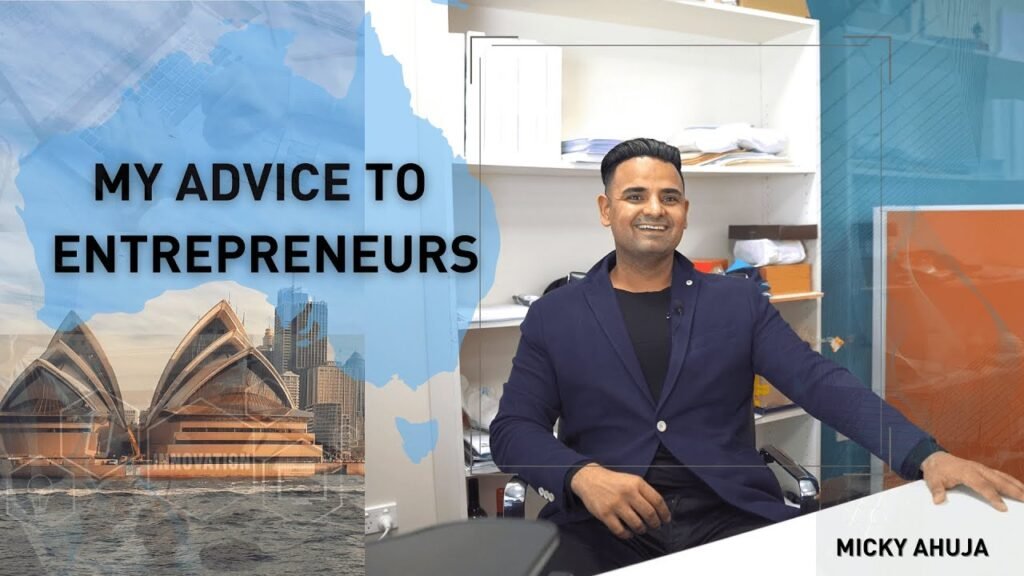
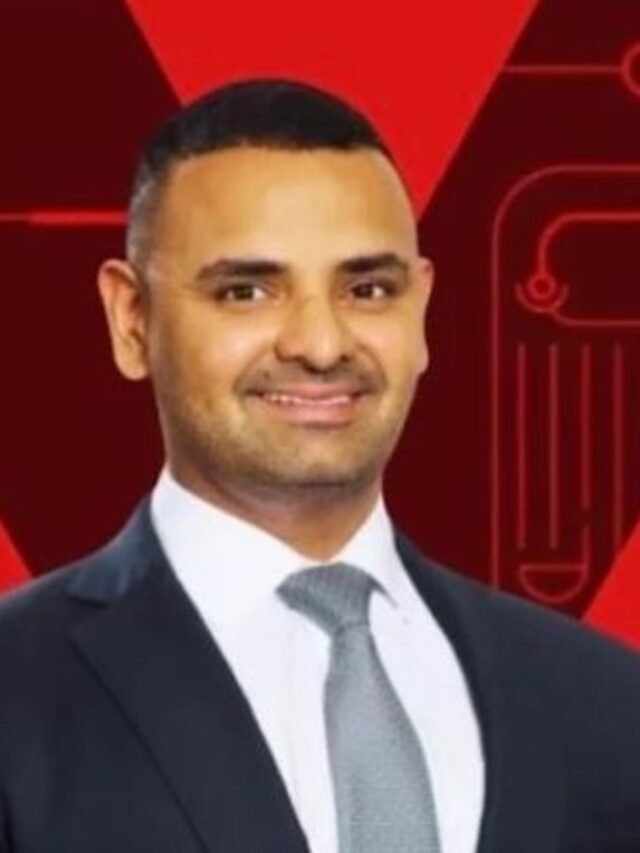
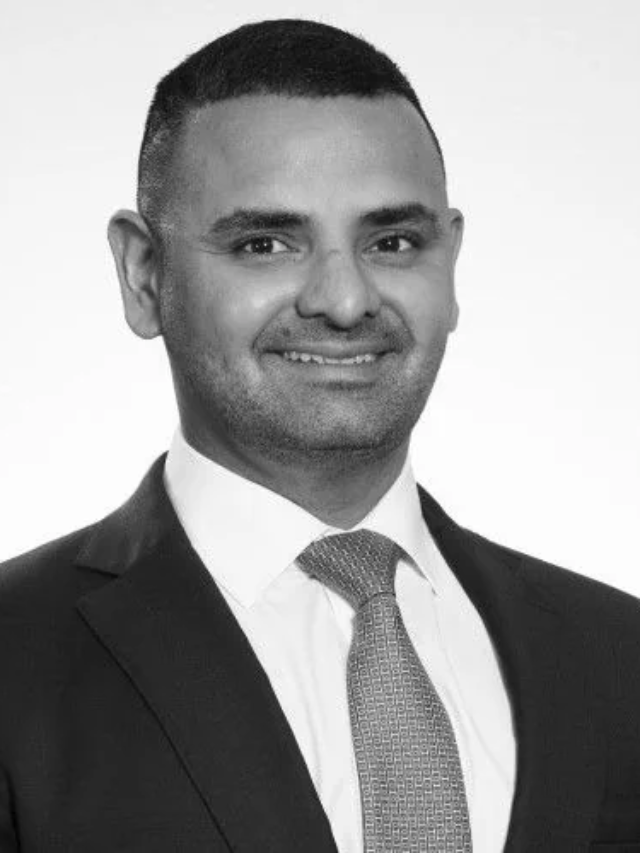
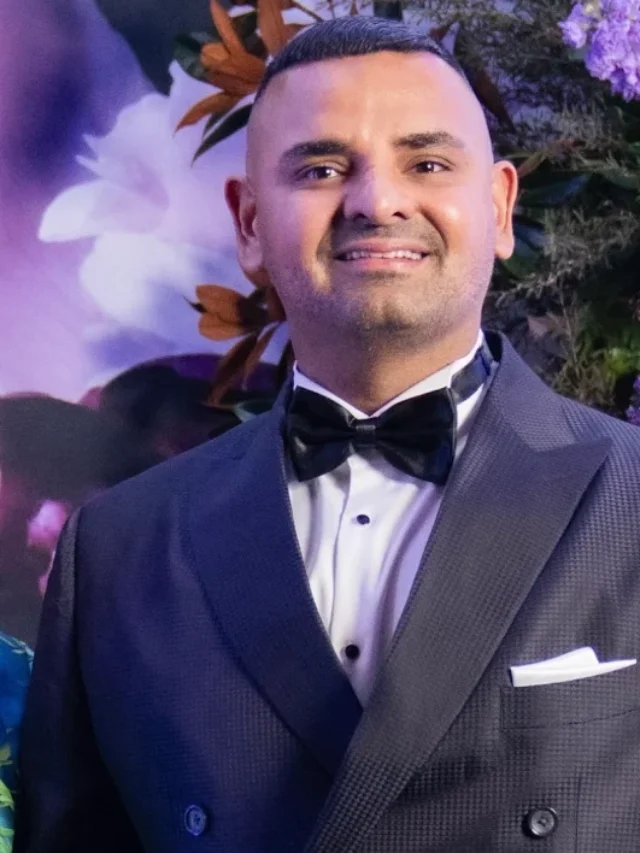
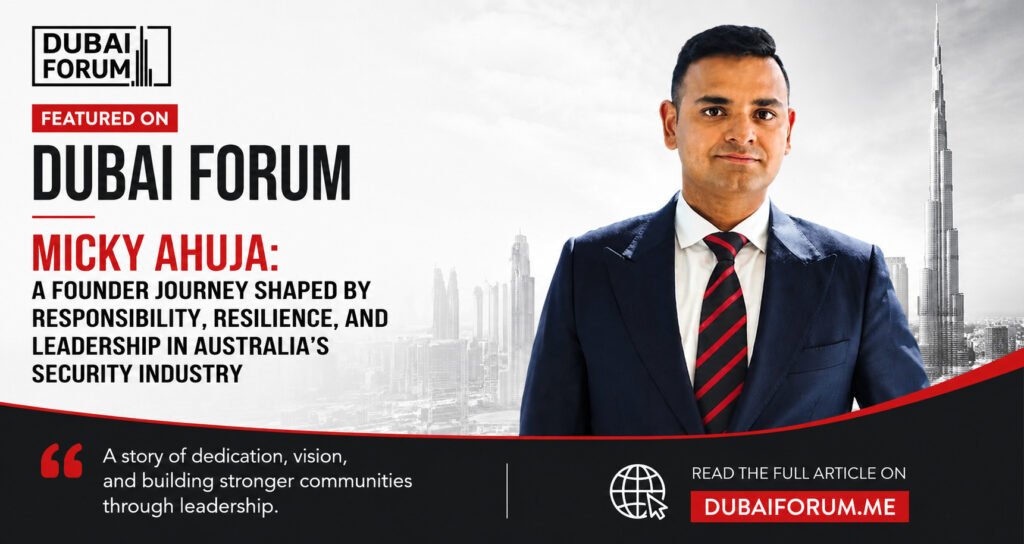
A recently published Dubai Forum feature on Micky Ahuja provides a detailed look at his experience as an Australian entrepreneur and the development of his career within the security and professional services sector. Rather than concentrating on a single business milestone, the article considers a journey spanning more than 15 years and explores themes including responsibility, resilience, workforce leadership, governance and continuous learning.
For people interested in entrepreneurship, the story raises a broader question: what changes when an entrepreneur moves from starting a business to leading an organisation at scale?
From Early Experience to Entrepreneurship
Long before an organisation becomes established, a founder generally experiences a period when resources are limited and almost every responsibility feels personal. According to the Dubai Forum profile, Ahuja’s early professional experiences included working in hospitality while studying Business and Finance at Deakin University in Melbourne.
Experiences at this stage of a career can provide lessons that are difficult to obtain purely through formal education. Working directly with customers, understanding everyday operations, managing competing priorities and seeing how financial decisions affect a business can help develop practical commercial awareness.
Ahuja subsequently entered Australia’s security sector in his early twenties and established the business that developed into MA Services Group.
Moving into a regulated and workforce-dependent industry introduced a different level of responsibility. Businesses operating in security and related services need to consider licensing, compliance, employee management, client expectations and operational reliability alongside traditional commercial objectives.
This created an environment in which entrepreneurship was not simply about generating an idea. Execution became equally important.
Building a Business Through Systems and People
One of the more interesting themes in the Dubai Forum article is the relationship between people, systems and sustainable growth. When an organisation is small, founders can personally oversee many important activities. They may know individual customers, employees and operational issues directly. As the organisation grows, that approach becomes increasingly difficult.
The challenge then changes.
Instead of asking, “How can I personally make sure this happens?”, the founder needs to begin asking, “What system allows the organisation to do this consistently?”
This transition can involve developing managers, establishing clearer responsibilities, improving reporting, strengthening compliance processes and creating standards that can operate across different teams and locations.
For workforce-intensive organisations, these questions become particularly important because service delivery depends heavily on people. Technology and processes can provide structure, but capable employees and effective leadership remain central to day-to-day performance.
The broader entrepreneurial lesson is that scaling a company is not simply about becoming bigger. It is about developing an organisation capable of handling greater complexity.
Leadership Changes as an Organisation Grows
The skills required to start a business are not necessarily identical to those required to lead a mature organisation.
During the early stages, persistence, personal involvement and speed can be significant advantages. Founders may need to solve problems themselves because there simply isn’t anyone else available to do so.
Growth changes that equation.
An entrepreneur who continues trying to personally control every decision can eventually become a constraint on the organisation. Leadership increasingly requires delegation, communication, accountability and confidence in other people’s capabilities.
This is one of the useful themes emerging from Micky Ahuja’s business journey. As organisations develop, leadership needs to develop with them.
Building capable leadership teams, defining expectations and creating organisational structures can become just as important as finding the next customer or business opportunity.
What Workforce-Intensive Businesses Teach About Leadership
Leading a workforce-intensive organisation presents challenges that can differ substantially from those faced by businesses with relatively small teams.
Large workforces can operate across multiple locations, shifts and customer environments. Employees have different backgrounds, experiences and responsibilities. In regulated industries, organisations also need systems designed to support licensing, compliance and appropriate operational oversight.
No organisational system can eliminate every human or operational risk. What leadership can do is establish appropriate processes, respond when problems emerge and continue improving governance as circumstances change.
This distinction is important.
Effective governance should not be viewed as a guarantee that an organisation will never experience difficulties. It is better understood as the framework through which responsibilities are defined, risks are managed, information is escalated and appropriate responses can be made.
For entrepreneurs interested in scaling people-dependent businesses, governance therefore becomes part of growth rather than something separate from it.
Resilience Means More Than Continuing
Resilience is another theme associated with entrepreneurial journeys, but the word can sometimes become overly simplified.
Resilience does not merely mean continuing regardless of circumstances.
A more useful form of resilience involves learning.
When something does not go according to plan, entrepreneurs need to understand what happened. Was an assumption incorrect? Did circumstances change? Was a system inadequate? Could communication have been better? What should be handled differently next time?
Businesses operating over many years inevitably encounter different economic conditions, regulatory developments, workforce challenges and periods of organisational change. The entrepreneur’s responsibility is not to pretend these difficulties do not exist but to develop better judgement from experiencing them.
This is where resilience and accountability can work together.
Continuous Learning as a Leadership Habit
Another aspect of the Dubai Forum profile is its emphasis on learning.
Entrepreneurship creates a continuous stream of unfamiliar situations. A founder may initially understand the service being delivered but later need to learn about finance, employment, regulation, technology, governance, organisational culture and leadership.
As the business changes, the knowledge required to lead it changes as well.
This makes curiosity particularly valuable.
Formal education can provide important foundations, but entrepreneurs also learn through employees, customers, advisers, industry research and experience. Sometimes the most useful lesson emerges from a decision that produced an unexpected result.
The important habit is remaining willing to reconsider existing assumptions.
Experience should improve judgement, but it should not create the belief that there is nothing left to learn.
Recognition Along the Entrepreneurial Journey
The Dubai Forum feature also discusses professional recognition associated with Ahuja’s entrepreneurial career, including recognition through the Australian Young Entrepreneur Awards.
Awards and public recognition can mark particular moments in a business journey, but they provide only one perspective on entrepreneurship.
Behind any recognition are usually years of less visible activity: meetings, operational decisions, customer relationships, employee conversations, financial pressures and problems that needed to be solved.
This is why entrepreneurial careers are better understood over time rather than through isolated milestones.
Recognition can acknowledge progress. The work of building, learning and adapting continues afterwards.
Community and Responsibility Beyond Business
Entrepreneurship can also create opportunities for involvement beyond an organisation’s immediate commercial activities.
The Dubai Forum profile references Ahuja’s support for charitable and community initiatives, including Redkite, alongside other health, wellbeing and community-focused causes.
Community involvement can take many forms, and every entrepreneur approaches it differently. The broader principle is that business leadership can create responsibilities and opportunities extending beyond financial outcomes.
For established entrepreneurs, deciding how experience, networks and resources can contribute to wider communities can become another dimension of the professional journey.
What Emerging Entrepreneurs Can Take From the Story
There is no universal formula for entrepreneurship, and another person’s journey should never be treated as a blueprint. Industries, circumstances, resources and personalities differ considerably.
There are, however, useful questions emerging entrepreneurs can ask when examining experienced founders.
How did they respond when resources were limited? How did their leadership change when the organisation grew? When did systems become necessary? How did they develop other leaders? How did they respond to setbacks? What did experience teach them that they did not understand at the beginning?
Looking at Micky Ahuja’s founder journey through these questions shifts the focus away from individual headlines and towards the lessons accumulated across a longer professional career.
The central lesson may be relatively simple: building a business and building an organisation are not exactly the same challenge.
Starting requires initiative. Growth requires execution. Scale requires systems. And sustained leadership requires the willingness to continue learning as responsibilities become more complex.
Read the Original Dubai Forum Feature
The complete Dubai Forum article provides additional detail about Micky Ahuja’s journey through Australia’s security and professional services sector, including the development of MA Services Group, workforce leadership, governance, resilience and professional recognition.