
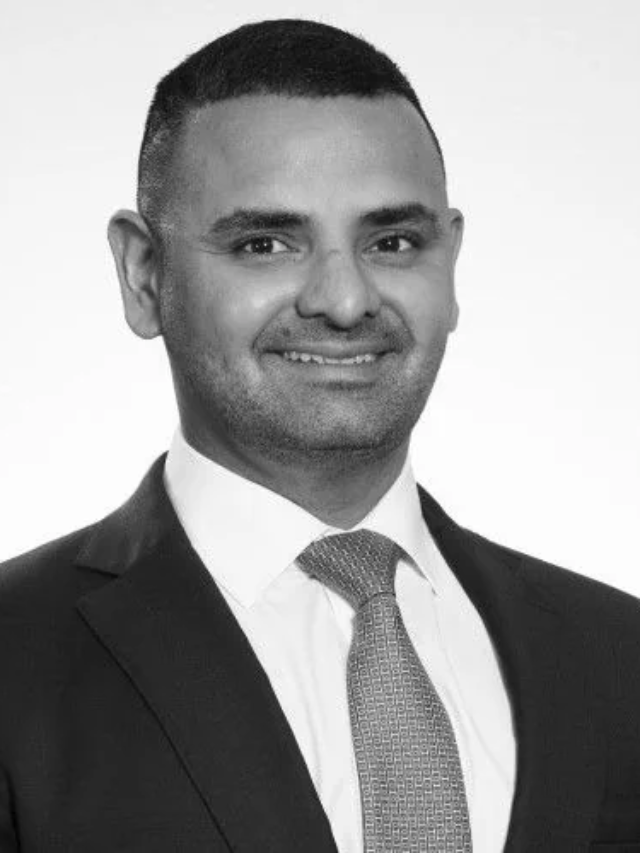

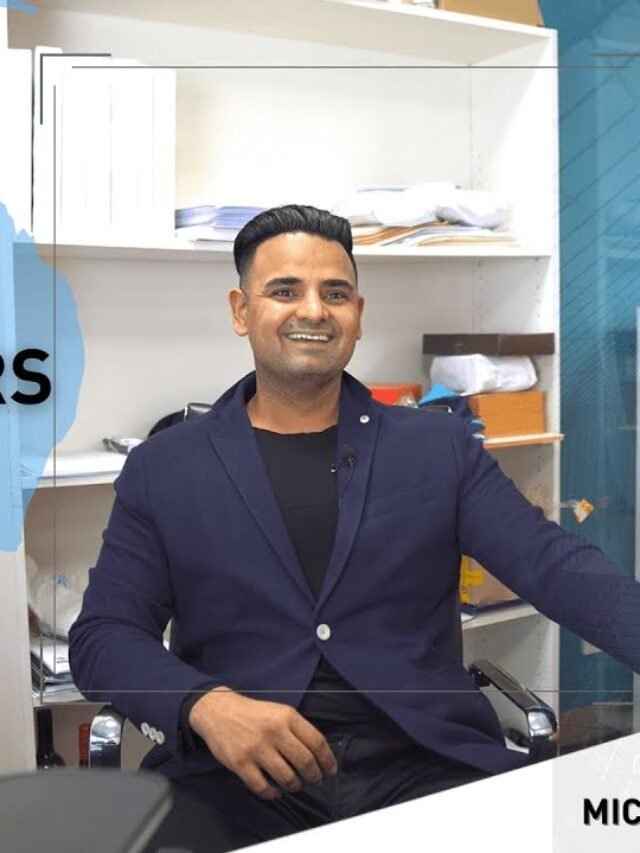



A successful business cannot grow indefinitely through the effort of one entrepreneur. As an organisation expands, its performance increasingly depends on the quality of the people inside it, how effectively they work together and whether they understand what they are responsible for achieving. Hiring talented employees is an important starting point, but talent alone does not automatically create a high-performing team. Businesses also need clear goals, strong leadership, accountability, trust, effective communication and an environment where people can take ownership of their work. Understanding how to build a high-performing team is therefore one of the most important responsibilities for entrepreneurs and business leaders. From Micky Ahuja’s perspective on leadership and team management, strong teams are not created by constantly supervising employees. They develop when capable people understand the direction of the organisation, know what is expected of them and have enough responsibility to make meaningful decisions.
Start With the Right People, Not Simply More People
Business growth often creates pressure to hire quickly. More customers generate more work, existing employees become busy and adding another person can appear to be the fastest solution. However, increasing headcount without carefully considering what capability the organisation actually needs can create additional complexity rather than better performance. When building a successful team, entrepreneurs should begin by defining the outcome required from a role rather than simply replacing a previous employee or copying a generic job description. What problems should this person solve? What responsibilities will they own? What skills are essential, and which can be developed after joining? Hiring should also consider how someone approaches responsibility, communication and collaboration. Technical ability matters, but an exceptionally skilled employee who consistently avoids accountability or damages relationships can reduce the performance of everyone around them. Strong teams are built by combining complementary skills with people who can contribute effectively within the wider organisation.
Give Every Employee Clarity About What Success Looks Like
One of the biggest barriers to employee performance is unclear expectations. Leaders may believe employees understand their responsibilities while employees are working with completely different assumptions about what matters most. A job title alone rarely provides enough clarity. People should understand the outcomes they are responsible for, their immediate priorities, how performance will be evaluated and how their role contributes to broader business goals. This becomes especially important as organisations grow because employees have less direct contact with founders and senior leaders. Clear expectations reduce unnecessary questions and allow people to make better decisions independently. They also make accountability fairer. It is difficult to hold someone responsible for an outcome that was never clearly communicated. A high-performing team therefore begins with leadership translating broad business objectives into responsibilities people can understand and act upon.
Create a Shared Purpose Beyond Individual Tasks
Employees naturally focus on their immediate responsibilities, but strong teams also understand what they are collectively trying to accomplish. A salesperson may concentrate on winning customers, an operations employee on delivering services and a finance team on maintaining financial discipline. Each function has different priorities, yet all of them should contribute to the same organisational direction. Leaders need to explain how these responsibilities connect. When teams understand the wider purpose, decisions become less departmental and more organisational. Instead of asking only, “What is best for my department?” employees can begin considering, “What outcome is best for the business and its customers?” This alignment becomes increasingly valuable as a company expands because different departments can otherwise develop competing priorities. Effective team leadership creates enough shared direction that employees can coordinate without requiring senior management to resolve every disagreement.
Build Trust Without Removing Accountability
Trust is essential for high-performing teams, but trust should not be confused with the absence of standards. Employees need freedom to use their judgement while also understanding that they are responsible for results. Leaders can create this balance by establishing clear expectations and then giving people reasonable autonomy over how those expectations are achieved. Constantly checking every detail communicates that leadership does not trust employees to perform independently. At the opposite extreme, assigning responsibility without reviewing outcomes can allow problems to continue unnoticed. Strong management sits between these approaches. Leaders remain informed through appropriate reporting, conversations and key performance indicators (KPIs) while avoiding unnecessary interference in everyday decisions. When employees know they are trusted but also accountable, responsibility becomes meaningful rather than symbolic.
Communication Should Be Clear, Regular and Two-Way
Poor communication can make talented teams perform below their potential. Employees may duplicate work, misunderstand priorities or discover important changes too late because information did not reach the right people. Building effective workplace communication does not mean filling everyone’s calendar with meetings. It means creating reliable ways for information to move through the organisation. Teams should know where decisions are documented, when performance is reviewed, who needs to be informed about changes and how problems should be escalated. Communication also needs to move upward. Employees working directly with customers and daily operations frequently see issues before senior leadership does. If people do not feel comfortable raising concerns, leaders can develop an inaccurate picture of how the organisation is performing. Good business leaders therefore create opportunities for employees to provide feedback, question inefficient processes and share information without treating every disagreement as a challenge to authority.
Give People Ownership Instead of Creating Dependency
A team cannot become high-performing if every important decision eventually returns to the founder or senior manager. Employees who constantly need approval gradually learn to wait rather than act. This slows the organisation and places increasing pressure on leadership as the company grows. Employee empowerment requires clearly defining which decisions people can make independently and when senior involvement is genuinely necessary. This does not mean giving everyone unlimited authority. Boundaries should reflect the person’s role, experience and the potential impact of the decision. From Micky Ahuja’s perspective on people management, developing ownership is particularly important because organisations become stronger when responsibility is distributed among capable people. A leader’s goal should not be to remain the person with every answer. It should be to build employees who can make increasingly good decisions themselves.
Make Accountability Part of the Culture
Accountability becomes difficult when it appears only after something has gone wrong. In a strong team, accountability is part of everyday work. Employees understand what they own, managers review progress consistently and problems are addressed before they become larger. This requires leaders to distinguish between accountability and blame. Blame focuses primarily on identifying who should be criticised. Accountability asks who owns the outcome, what happened and what needs to change. When employees know that mistakes will be examined constructively but poor standards will not simply be ignored, they are more likely to raise issues early. Leaders must also demonstrate accountability themselves. If management expects employees to meet commitments but regularly fails to follow through on its own promises, the standard quickly loses credibility. Workplace accountability becomes part of company culture only when it applies throughout the organisation.
Give Feedback Before Problems Become Performance Issues
Employees should not have to wait for an annual performance review to discover how they are doing. Regular, specific feedback allows people to adjust while situations are still fresh. Effective feedback explains what happened, why it mattered and what should happen differently next time. It should also recognise strong performance rather than appearing only when something goes wrong. Recognition helps reinforce the behaviours the organisation wants repeated, while constructive feedback helps employees develop. Managers sometimes avoid difficult conversations because they worry about creating conflict, but delaying necessary feedback often allows a manageable issue to become a larger performance problem. Employee development requires leaders who can communicate expectations respectfully and directly. The objective is not to criticise people personally but to help them understand how their contribution can become stronger.
Invest in Employee Development
High-performing teams are not static. Roles change, technology develops and employees need new capabilities as the organisation becomes more complex. Businesses that expect people to perform at a higher level without investing in development may eventually create capability gaps. Training can include formal courses, but development also happens through mentoring, stretch assignments, exposure to new responsibilities and constructive feedback. Entrepreneurs should pay particular attention to employees who may become future managers. A technically strong employee does not automatically know how to lead others, provide feedback or manage performance. Leadership development helps prepare people before the organisation urgently needs them to step into larger roles. This is particularly important for growing businesses because relying entirely on external recruitment for every management position can make it harder to preserve organisational knowledge and culture.
Recognise Performance Without Creating Unhealthy Competition
Recognition can significantly influence employee motivation when it is meaningful and fair. People want to know that their contribution is noticed, particularly when they have taken responsibility or delivered exceptional results. Recognition does not always need to be financial. Opportunities for development, additional responsibility and simple acknowledgement from leadership can also matter. However, businesses should be careful about creating systems that reward individual performance while unintentionally damaging teamwork. If employees believe they must compete with colleagues for recognition, they may become less willing to share information or support one another. A high-performance culture should recognise individual contribution while reinforcing the idea that sustainable results depend on collaboration. The goal is not to create internal winners and losers but to encourage people to raise the overall performance of the team.
Deal With Poor Performance Rather Than Allowing It to Spread
Strong teams can become frustrated when consistently poor performance is ignored. Capable employees notice when colleagues repeatedly fail to meet commitments without consequences, and over time they may begin questioning why they should maintain higher standards themselves. Leaders therefore need to address performance problems fairly and promptly. The first step should be understanding the cause. The employee may lack training, expectations may be unclear, workload may be unrealistic or the role may simply be a poor fit. Where support can solve the problem, leaders should provide it. However, when expectations are clear and adequate support has been provided, continued underperformance needs to be managed. Maintaining standards is not only about the individual involved; it demonstrates to the wider team that accountability is meaningful.
Protect Team Culture as the Business Grows
Culture develops whether leadership manages it deliberately or not. As companies grow, employees increasingly experience the organisation through their immediate managers rather than the founder. This means leadership behaviour at every level begins shaping company culture. Businesses should be clear about the behaviours they value and ensure those behaviours influence recruitment, promotion and performance management. A company cannot claim collaboration matters while rewarding managers who consistently achieve results by damaging other teams. It cannot promote accountability while senior employees are exempt from the standards applied elsewhere. Culture becomes credible when decisions reinforce the values the organisation communicates. Protecting this consistency becomes increasingly important as headcount grows and teams operate across different locations or departments.
Micky Ahuja’s Perspective: Build Capability, Not Dependence
From Micky Ahuja’s perspective on business leadership, one of the strongest signs of an effective team is its ability to perform without constant senior intervention. Entrepreneurs naturally play a central role during the early stages of a business, but that model becomes difficult to sustain as the organisation expands. Strong leaders gradually replace personal control with clear responsibilities, capable managers, reliable systems and meaningful accountability. Their success becomes visible through the quality of decisions being made throughout the organisation rather than simply through the number of decisions reaching the top.
Understanding how to build a high-performing team ultimately requires recognising that performance is created by more than hiring talented individuals. People need direction, trust, communication, feedback, development and accountability. They need to understand what they own while seeing how their work contributes to something larger. Leaders need to establish high standards without micromanaging and provide support without becoming the solution to every problem.
A high-performing team is not a group that never experiences disagreement, mistakes or difficult periods. It is a group capable of addressing those challenges constructively while remaining focused on shared outcomes. When employees trust one another, managers develop people and responsibility exists throughout the organisation, the business becomes less dependent on individual effort and more capable of sustainable growth.
Great businesses are rarely built by one exceptional person. They are built when exceptional leadership helps many people perform at their best.
— Micky Ahuja