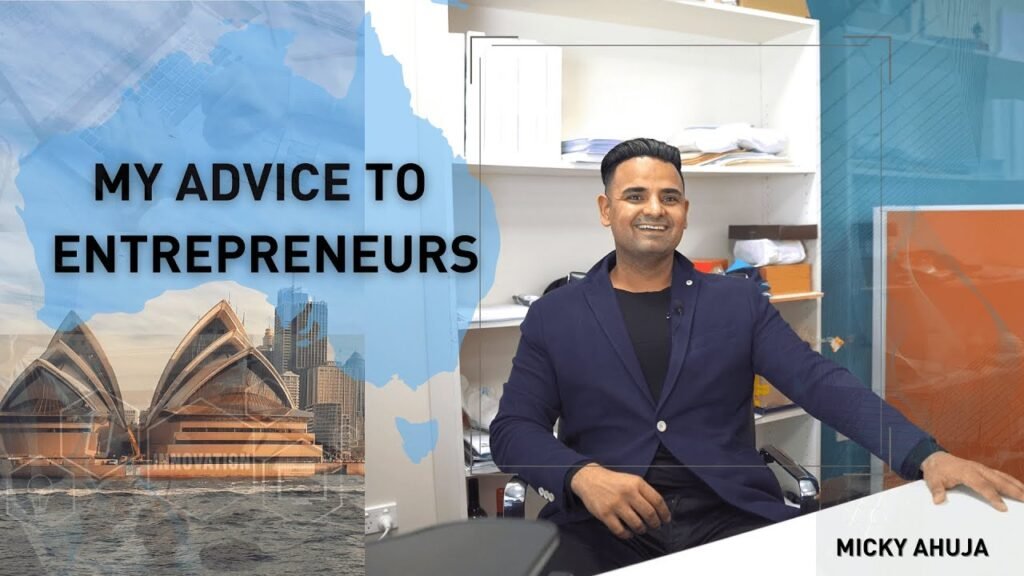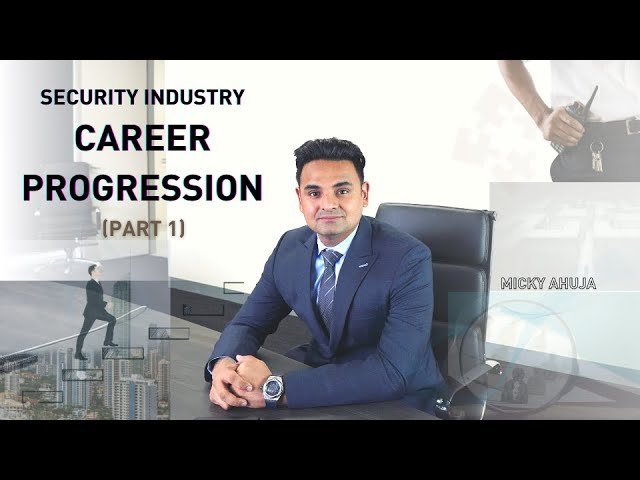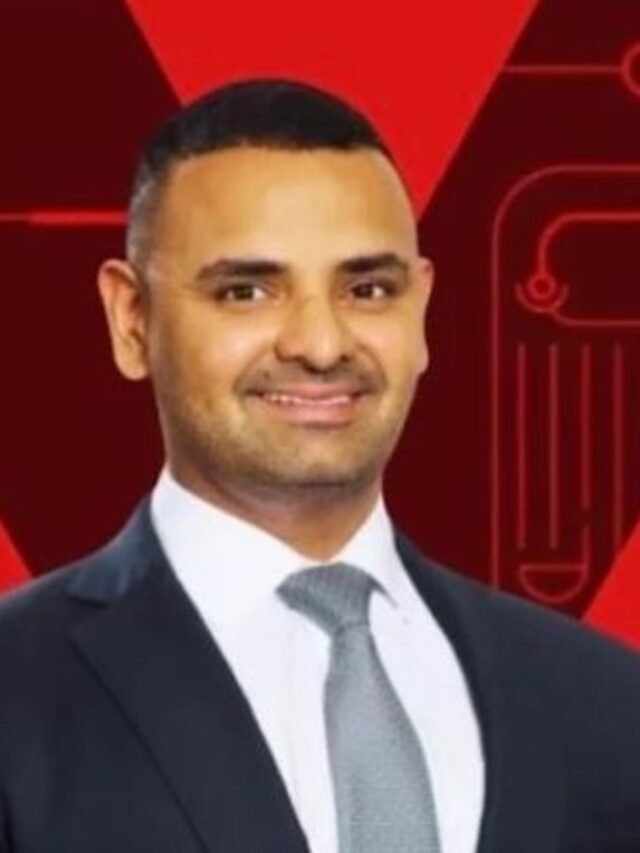
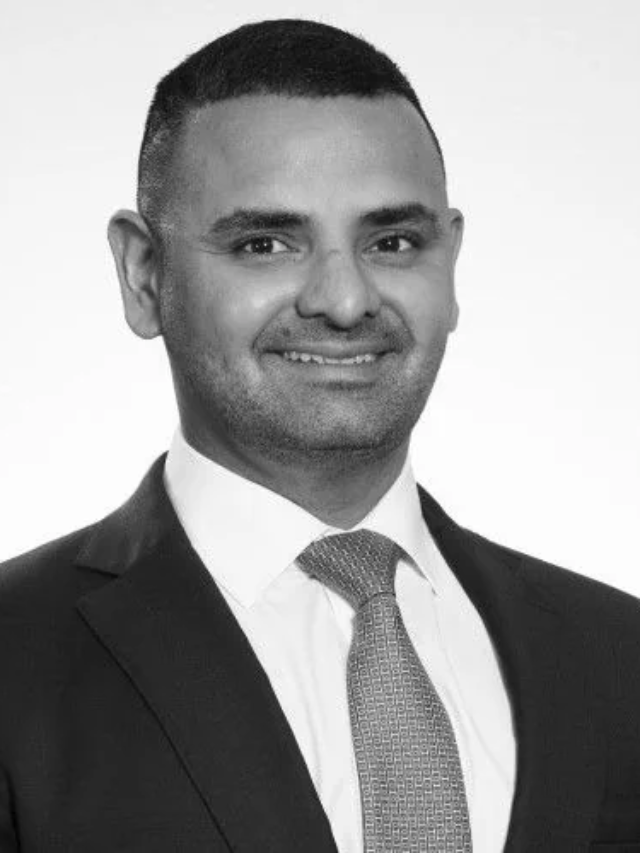


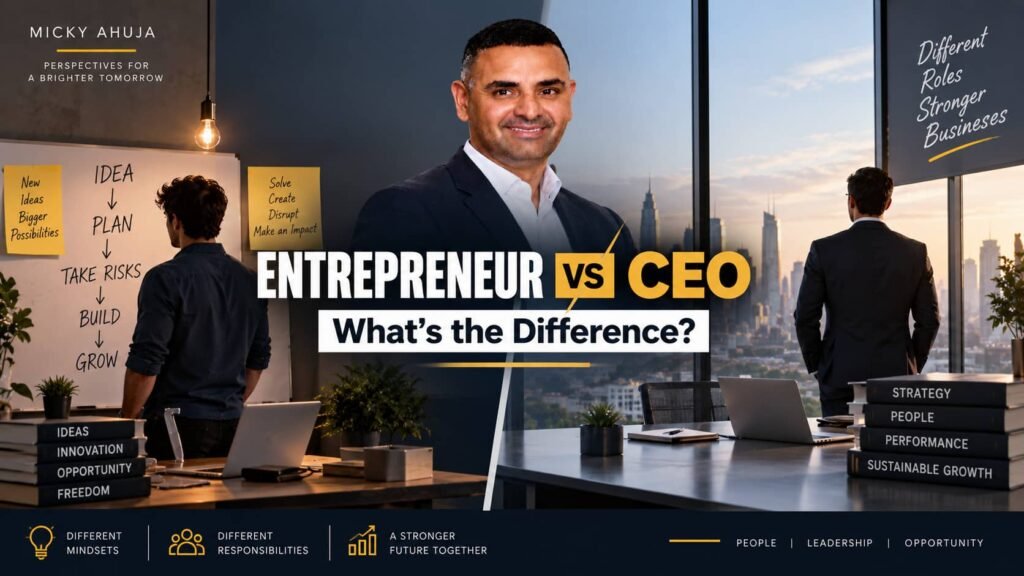
The terms entrepreneur and CEO are often used interchangeably, particularly when the person who starts a company also becomes the person responsible for leading it. Yet entrepreneurship and executive leadership are not exactly the same thing. An entrepreneur is generally associated with identifying opportunities, developing ideas, taking calculated risks and creating something that did not previously exist. A Chief Executive Officer, or CEO, is responsible for leading an organisation, setting strategic direction, allocating resources and ensuring that the business can execute its objectives effectively. One person can certainly perform both roles, but the skills required to start a business are not always identical to those required to manage and scale one. Understanding entrepreneur vs CEO is especially useful for founders because successful business growth often requires them to evolve from opportunity creators into organisational leaders. From Micky Ahuja’s perspective on entrepreneurship and business leadership, the transition is not about abandoning entrepreneurial thinking. It is about combining that thinking with the discipline, leadership and accountability required to build a sustainable organisation.
What Is an Entrepreneur?
An entrepreneur is someone who identifies an opportunity and takes action to create value from it, usually by building a new business, product, service or business model. Entrepreneurs are commonly associated with innovation and risk because they frequently make decisions before they have complete information about whether an idea will succeed. They may recognise a customer problem that existing businesses are not solving effectively, identify an inefficient process that could be improved or discover a new way of delivering an established service. During the early stages of a company, the entrepreneur often performs many different roles. They may handle sales in the morning, recruitment in the afternoon and financial planning later in the day. This flexibility can be necessary because young businesses rarely have specialised teams for every function. The entrepreneur’s greatest contribution at this stage is often energy, adaptability and the willingness to turn an uncertain idea into something customers are prepared to use and pay for.
What Is a CEO?
A Chief Executive Officer is generally the most senior executive responsible for the overall direction and performance of an organisation. While specific responsibilities differ depending on the company’s size and structure, CEOs typically focus on business strategy, leadership, financial performance, organisational capability, major relationships and long-term priorities. A CEO does not need to have founded the business. Many organisations appoint professional executives to lead companies created by someone else. This distinction is important because being a CEO is primarily an organisational responsibility rather than an entrepreneurial identity. The CEO needs to ensure that different areas of the business work toward common objectives and that resources are allocated appropriately. As organisations grow, the CEO’s job becomes less about personally completing tasks and more about creating the conditions in which other people can perform effectively.
Entrepreneur vs CEO: The Main Difference Is the Role
The simplest way to understand the difference between an entrepreneur and a CEO is to consider what each role is primarily trying to accomplish. Entrepreneurs typically begin by asking questions such as: What opportunity exists? What problem could we solve? What could we create or improve? CEOs increasingly ask: How do we turn our strategy into consistent execution? How should resources be allocated? Do we have the right people and systems? What risks could affect the organisation? These questions overlap, but their emphasis differs. Entrepreneurship is heavily associated with creation and opportunity, while CEO leadership is more closely connected with organisational direction and execution. A founder may therefore begin almost entirely as an entrepreneur and gradually find that their responsibilities increasingly resemble those of a CEO.
Entrepreneurs Create Opportunities; CEOs Build Organisational Capability
An entrepreneur can create a promising business idea, but an idea alone does not produce a scalable organisation. Customers need to be served consistently, employees need direction, finances need to be managed and operational processes need to function as volume increases. This is where business leadership becomes increasingly important. A CEO needs to think beyond whether the opportunity is attractive and consider whether the organisation is capable of delivering it sustainably. If sales double, can operations cope? If the workforce expands, is there enough management capability? If the company enters another market, does it have sufficient financial and operational resources? Entrepreneurs naturally look outward toward opportunities. CEOs must look outward and inward simultaneously, balancing growth opportunities with the organisation’s ability to execute them.
Their Relationship With Risk Can Be Different
Entrepreneurs are frequently described as risk-takers, although successful entrepreneurship usually involves calculated risk rather than reckless behaviour. Starting a company naturally involves uncertainty because customers, competitors and market conditions cannot be predicted perfectly. A CEO also deals with risk, but the nature of that responsibility can change as the organisation becomes larger. Decisions may affect hundreds of employees, major customer relationships and substantial financial commitments. The question is no longer simply whether an opportunity could work. Leadership must also consider what could happen to the existing organisation if it does not. This often requires stronger financial controls, scenario planning, governance and risk management. Entrepreneurial confidence remains valuable, but executive leadership needs to balance confidence with organisational responsibility.
Entrepreneurs Can Move Quickly; CEOs Need Alignment
A founder working with a small team can sometimes make a decision in minutes. Everyone can gather around a table, agree on a direction and begin immediately. That speed becomes harder to maintain when an organisation includes multiple departments, managers, locations or hundreds of employees. A CEO needs to consider how decisions will affect different parts of the business and ensure that the people responsible for execution understand the direction. This does not mean larger businesses must become slow. Strong leadership creates business systems and decision-making structures that allow speed without unnecessary confusion. The CEO’s challenge is to build an organisation where decisions can happen at the appropriate level instead of requiring everything to travel to the top.
A Founder Must Eventually Learn to Delegate
One of the most difficult transitions from entrepreneur to CEO involves delegation. Founders are accustomed to personally solving problems because that behaviour helped the company survive during its early stages. As the organisation grows, the same habit can turn the founder into a bottleneck. Employees wait for approval, managers hesitate to make decisions and the founder becomes overwhelmed by operational details. Effective CEOs recognise that delegation in business is not simply about reducing workload. It is about increasing organisational capability. Managers need genuine ownership, employees need clear responsibilities and leaders need reliable reporting that provides visibility without requiring constant intervention. The goal is to move from personally controlling activities toward building a business that remains under control through people, systems and accountability.
CEOs Need to Build Leaders, Not Just Employees
Entrepreneurs in early-stage businesses may personally manage most employees. CEOs of growing organisations cannot realistically maintain that relationship with everyone. They therefore need a capable management team that can translate strategy into everyday execution. Developing managers becomes one of the CEO’s most important responsibilities because employees increasingly experience leadership through their immediate supervisors. Strong CEOs identify potential leaders, give them meaningful responsibility and hold them accountable for outcomes. This is a significant mindset shift. The founder’s success is no longer measured only by what they personally achieve. It becomes visible through the quality of decisions and performance happening throughout the organisation.
Financial Discipline Becomes Increasingly Important
Entrepreneurs often focus heavily on revenue because winning customers proves that an idea has commercial potential. As the company expands, leadership needs a more complete understanding of financial performance. Revenue growth can hide weak margins, rising costs or cash flow pressure. A CEO therefore needs visibility into profitability, working capital, investment requirements and financial risk. This does not mean the CEO must personally perform the finance team’s work, but they need enough understanding to make informed decisions about growth. Sustainable business growth requires knowing not only how to generate opportunities but whether the organisation can afford to pursue them.
Can an Entrepreneur Also Be a CEO?
Absolutely. Many founders successfully perform both roles, particularly when they develop their leadership abilities as the company grows. The distinction does not mean an entrepreneur must eventually hire somebody else as CEO. It means the founder’s responsibilities need to evolve. An entrepreneur who wants to remain CEO may need to become more comfortable with delegation, financial management, organisational design, leadership development and long-term planning. Some founders enjoy this transition and become highly effective executive leaders. Others discover that they are strongest at creating businesses and prefer to bring in experienced executives to manage larger organisations. Neither path is automatically better. The right decision depends on the founder’s capabilities, interests and what the company requires at its particular stage of development.
Entrepreneurial Thinking Still Matters to CEOs
Becoming a CEO should not mean eliminating the qualities that made someone an effective entrepreneur. Curiosity, adaptability and willingness to challenge established assumptions remain valuable even inside large organisations. Businesses can become vulnerable when leadership becomes so focused on protecting existing operations that it stops recognising changes in customers, technology and competition. The strongest CEOs often preserve an entrepreneurial mindset while introducing the discipline required to operate at scale. They continue asking what could be improved and where new opportunities exist, but they evaluate those opportunities within the wider context of strategy, resources and organisational capacity.
Micky Ahuja’s Perspective: Think Like an Entrepreneur, Lead Like a CEO
From Micky Ahuja’s perspective, understanding entrepreneur vs CEO is less about choosing which title sounds more impressive and more about recognising the different responsibilities required at different stages of business growth. Entrepreneurship can create the opportunity, but leadership determines whether the organisation develops the people, systems and discipline required to turn that opportunity into something sustainable.
As a company grows, founders often need to change the way they create value. In the beginning, their contribution may come from personally selling, solving problems and making almost every decision. Later, greater value can come from developing leaders, allocating resources, strengthening culture, establishing accountability and determining the long-term direction of the organisation. That transition can be uncomfortable because it requires letting go of activities that once made the entrepreneur successful.
The difference between an entrepreneur and a CEO therefore does not have to represent two different people. It can represent two stages of leadership within the same person’s journey. The entrepreneur asks what could be built. The CEO asks how it can be built to last. Businesses often need both perspectives to grow successfully.
Entrepreneurial thinking can create the business. CEO leadership can build the organisation capable of taking it further.
— Micky Ahuja