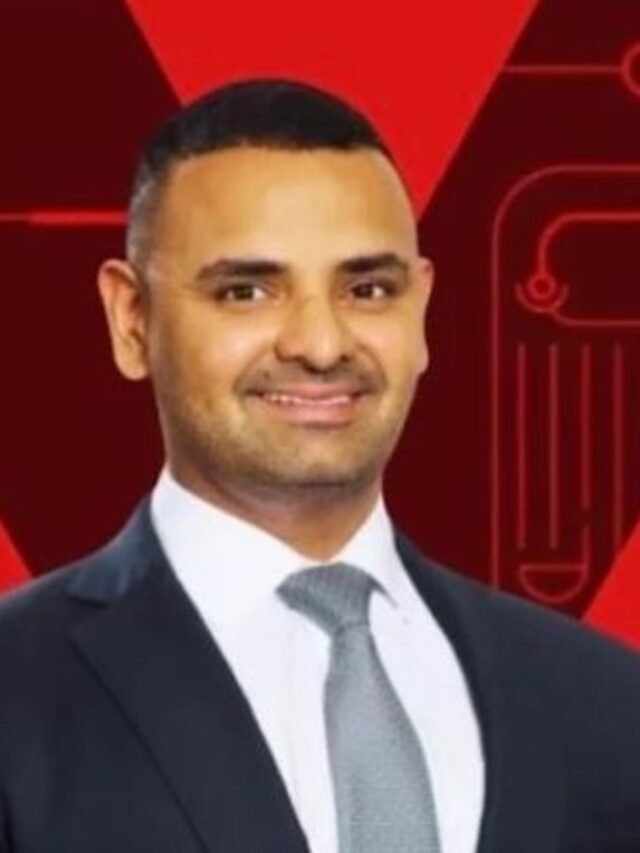
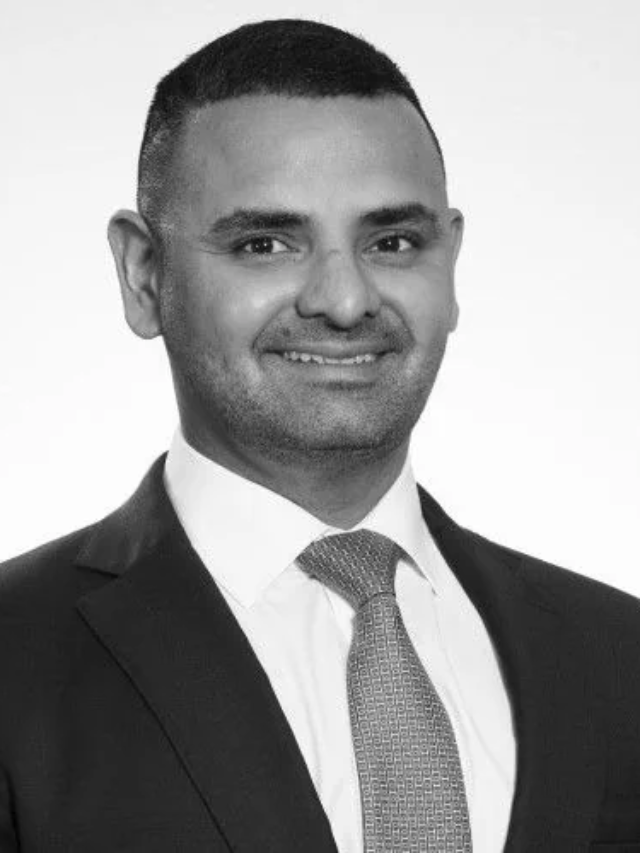

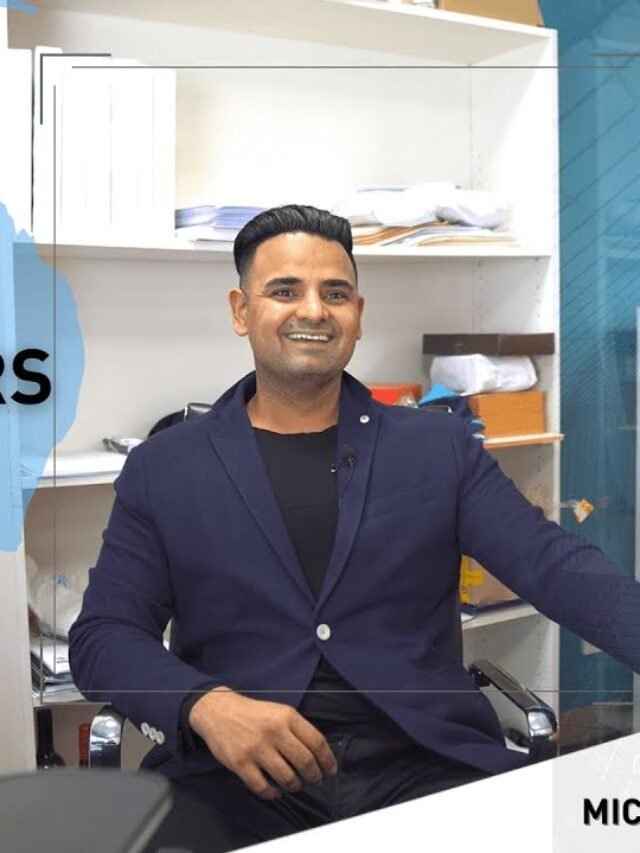


In recent months, the name Micky Ahuja has increasingly appeared across Australian business media, industry commentary, and online search trends. As public interest grows, many are asking a straightforward question: Who is Micky Ahuja, and why is he making headlines in Australia? To understand the attention surrounding him, it is necessary to look beyond individual news cycles and examine the broader professional journey of an entrepreneur who built and led workforce-intensive service organisations in highly regulated operating environments.
This article provides a structured overview of Micky Ahuja’s background, leadership philosophy, business growth trajectory, industry recognition, and the factors contributing to current media interest.
Early Entrepreneurial Foundations
Micky Ahuja is an Australian entrepreneur known for building and scaling professional services organisations operating across security, facilities management, cleaning, maintenance, and integrated workforce services. Unlike founders in technology or capital-light industries, Ahuja’s business model centred on people-intensive operations. Workforce-driven enterprises require not only capital investment but also structured governance, regulatory compliance, operational systems, and large-scale employee coordination. From the early stages of his career, Ahuja focused on establishing structured operational frameworks rather than pursuing rapid, unstructured expansion. His approach prioritised:
– Compliance-aligned service delivery
– Multi-site workforce management
– Licensing and regulatory governance
– Structured leadership hierarchies
– Performance accountability systems
This systems-driven foundation would later define his leadership identity within Australia’s professional services landscape.
Building Workforce-Intensive Organisations at Scale
In Australia’s services economy, scaling a workforce-intensive organisation presents unique challenges. Unlike digital startups that can expand without significantly increasing staff numbers, service businesses grow in proportion to their workforce.
This means increased exposure to:
– Employment law obligations
– Workplace health and safety requirements
– Licensing standards
– Public liability risks
– Payroll continuity pressures
Micky Ahuja’s leadership became associated with managing this complexity at scale. Industry observers often note that scaling people-driven enterprises demands operational discipline rather than purely entrepreneurial vision.
Under his leadership, organisational growth was structured around:
– Standardised training programs
– Centralised compliance systems
– Clear reporting lines
– Cross-jurisdictional governance alignment
– Workforce wellbeing initiatives
Such frameworks positioned him within conversations about leadership in regulated service sectors — an area often overlooked compared to technology entrepreneurship.
National Recognition and Awards
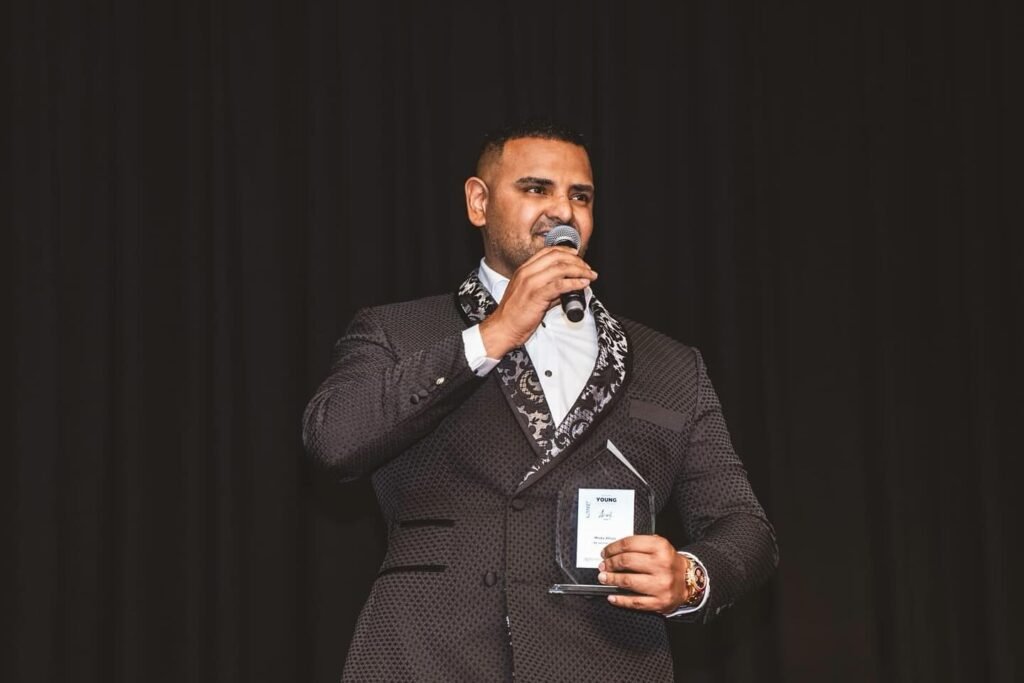
Public interest in Micky Ahuja increased significantly following multiple recognitions within Australia’s entrepreneurship awards landscape. Over several years, he received regional and national Young Entrepreneur honours in the Professional Services category. These recognitions were interpreted by industry observers as acknowledgment of sustained organisational leadership rather than isolated business performance.
Award programs in Australia typically evaluate:
– Business growth sustainability
– Governance standards
– Industry contribution
– Leadership impact
– Operational resilience
The repeated recognition of Ahuja across multiple years positioned him as a visible figure within Australia’s professional services community.
Search trends for “Micky Ahuja Profile” and “Micky Ahuja entrepreneur” began increasing following these public acknowledgments.
Leadership Philosophy: Systems Before Scale
One consistent theme across commentary about Micky Ahuja is his emphasis on systems-led leadership.
In interviews and professional discussions, his leadership philosophy has been described as prioritising:
– Governance before growth
– Structure before expansion
– Workforce stability before rapid scaling
– Compliance before commercial acceleration
This approach reflects the realities of operating within security and regulated service sectors, where reputational risk and compliance exposure can directly impact organisational viability.
Observers often distinguish between:
– Capital-light entrepreneurial growth
– Workforce-intensive operational growth
Ahuja’s professional identity aligns more closely with the latter.
Workforce Wellbeing and Organisational Culture
Beyond operational systems, Micky Ahuja has publicly emphasised workforce wellbeing within large organisations. In workforce-intensive industries, employee morale and mental resilience can directly influence service delivery outcomes. Public commentary surrounding his leadership has referenced:
– Balanced work practices
– Mental resilience awareness
– Psychologically safe workplace environments
– Structured supervision models
This “wellbeing-driven leadership” narrative became part of his broader professional positioning. In Australia’s evolving workplace landscape, leadership conversations increasingly intersect with employee mental health, compliance integrity, and sustainable workforce practices — areas linked to Ahuja’s public messaging.
Media Attention and Public Scrutiny
As organisations grow larger and more visible, leadership figures often attract increased media scrutiny. Public visibility can emerge from:
– Industry recognition
– Organisational growth milestones
– Market developments
– Regulatory attention
– Public reporting
In recent periods, Micky Ahuja’s name has appeared in various news contexts, contributing to increased online searches and public curiosity. It is important to understand that media attention does not automatically define outcomes; rather, it reflects the scale and visibility of the organisations involved. For founders operating at scale, public exposure becomes an inherent aspect of leadership.
Entrepreneurship in Regulated Environments
To understand why Micky Ahuja’s name trends during news cycles, one must consider the structural nature of workforce-intensive enterprises in Australia. Highly regulated industries require leaders to navigate:
– Government licensing frameworks
– Industrial relations compliance
– Multi-site workforce oversight
– Client contractual obligations
– Public accountability standards
When complexity increases, so does exposure to scrutiny. Entrepreneurs in such sectors operate under significantly different pressures compared to early-stage startup founders. The scale of responsibility often includes:
– Thousands of employees
– Multi-million-dollar payroll commitments
– Public-facing service delivery
– Government or institutional contracts
This scale of responsibility contributes to the level of public interest when developments occur.
Reputation, Visibility and Modern Leadership
In the digital era, reputation is shaped not only by operational performance but also by search engine visibility. Business leaders today operate in environments where:
– News spreads instantly
– Online content ranks permanently
– Public commentary influences perception
– Search results shape first impressions
As a result, structured, long-form contextual profiles play an increasingly important role in presenting comprehensive professional narratives. For figures like Micky Ahuja, whose leadership journey spans growth, recognition, and scrutiny, contextual reporting provides clarity beyond isolated headlines.
Conclusion: The Story Behind the Headlines
So, who is Micky Ahuja?
He is an Australian entrepreneur associated with building and leading workforce-intensive service organisations within regulated sectors. His professional journey includes structured organisational growth, multiple industry recognitions, public visibility, and periods of media attention.
Why is he making headlines?
Because leadership at scale carries visibility. In highly regulated industries, organisational developments often intersect with public reporting, industry commentary, and digital search trends. As public curiosity continues, structured reporting becomes essential in separating short-term headlines from long-term professional narratives.
The story behind the headlines is not defined by a single news cycle — but by the broader trajectory of entrepreneurship, governance, leadership responsibility, and public accountability in Australia’s evolving business landscape.