



About This Video
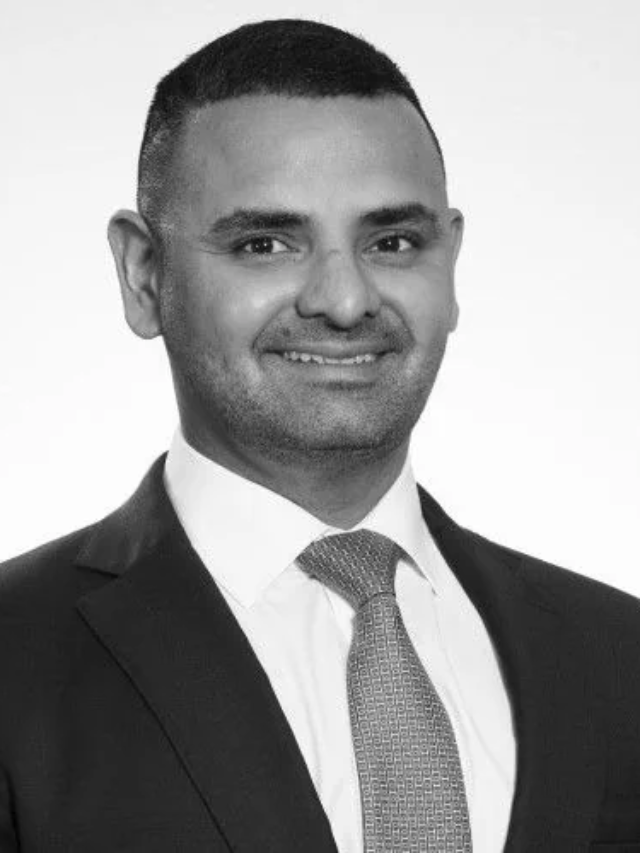
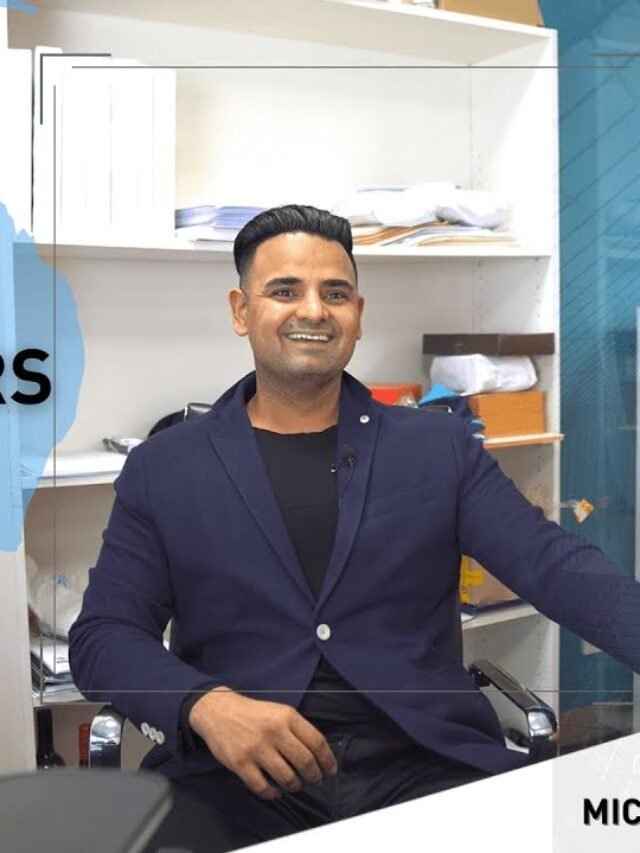
In Part Two of his Career Progression series, Micky Ahuja tackles a mistake he sees constantly: security professionals settling into one site for years and watching their pay stagnate at standard annual increases. He explains why calculated career risk — changing roles, expanding skills, and staying uncomfortable — is what actually drives meaningful pay growth. Micky also addresses a talent gap he’s observing industry-wide as experienced veterans retire, and closes with what he considers the real foundation of long-term success in security: understanding people and psychology, not just risk management procedures.
Key Topics Covered
- Why staying in the same role for 5–7 years limits pay growth to standard CPI-level increases
- How proactively changing roles every ~2 years can drive significantly larger pay increases
- Weighing the risk of leaving stable work against the reward of career growth
- The current talent gap in security as experienced veterans retire and fewer newcomers commit long-term
- Why reaching out directly to management or leadership for growth opportunities works more often than people expect
- How internal promotion has shaped Micky’s own management team, with the majority recruited from within
- Why attitude, not just skill set, is what separates people who advance from those who don’t
- Why psychology and people management matter more in security than technical risk management skills
Summary
Micky opens by identifying a common career trap: staying at one site for years chasing only standard percentage-based raises. He argues that real income growth — increases of five, ten, or fifteen thousand dollars a year — comes from proactively changing roles roughly every two years, continually expanding skills, and accepting the risk that comes with stepping outside a comfortable, full-time position. He then turns to a broader industry concern: as experienced security veterans retire, fewer newcomers are staying long enough to replace them, with many treating security as a short-term stopgap rather than a career. His advice is direct — reach out to line managers or even CEOs, ask how you can add value, and request mentorship. He notes that internal promotion has been the primary path for the majority of his own management team, built from employees who simply asked for the opportunity to grow.
Micky closes with what he considers the single most important lesson: security is fundamentally a people and psychology industry before it’s a risk management one. Understanding how to read people, lead them, and inspire them to work as hard as you do is what separates good supervisors from great leaders — and what ultimately opens doors that technical skill alone cannot.
Checkout Video Library